


Mostly Clear, 54°
Wind: mph,
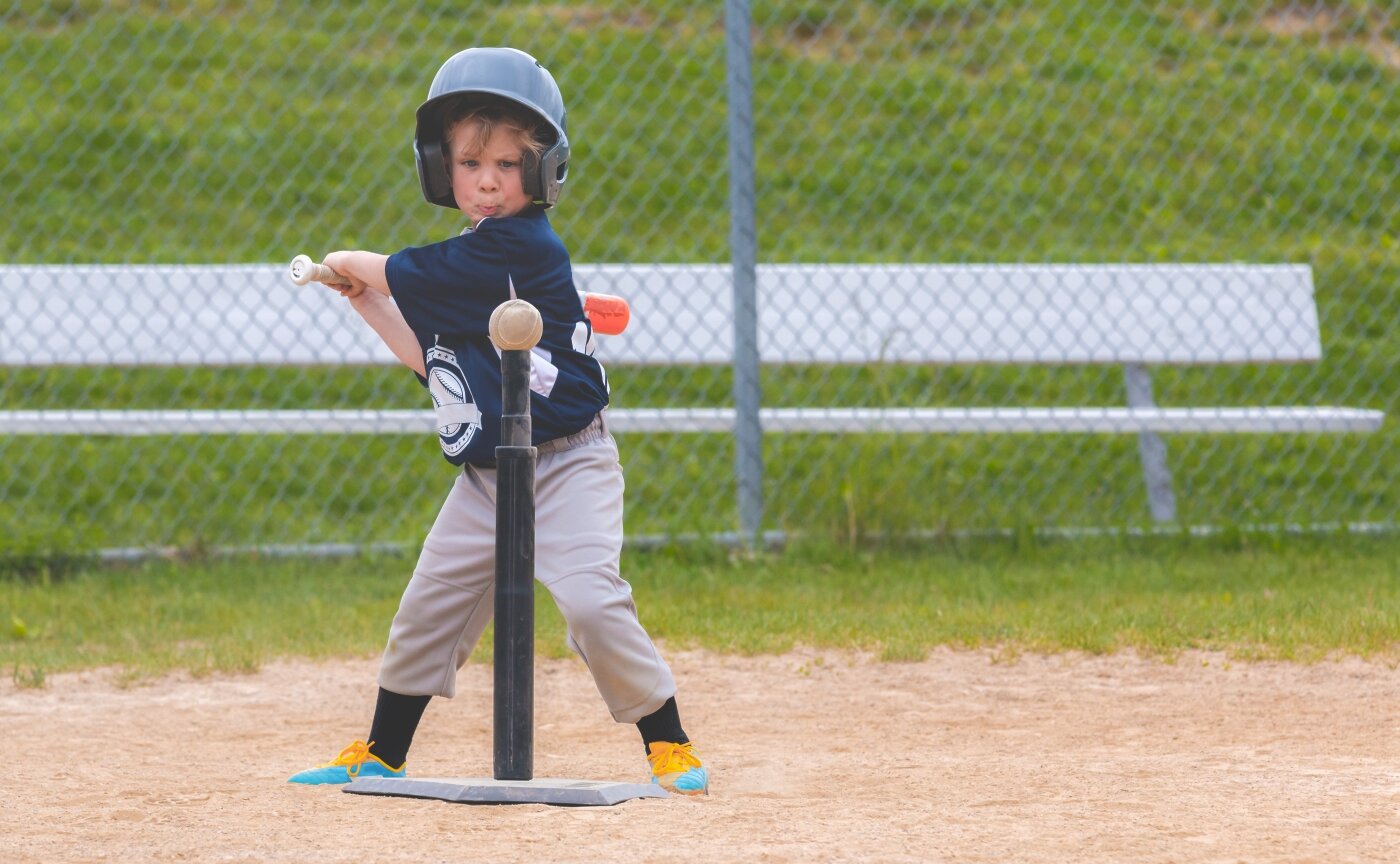
The sun had set on our last game of the season, and we were playing on a field with no lights. The outcome of the game was all but preordained, given that our 8-year-old home team batters were going to be stepping in the box with a level of visibility that would hamper even a college ballplayer. I watched and cheered as they squinted and swung their hearts out. I mean, grit their teeth and really let it rip.
We saw the disappointed looks on their faces when they didn’t, in fact, end up putting the ball in play. When it was all over, the kids all lined up and shook hands with their chins up. They quickly put away all their gear and then came out to first base to circle up.
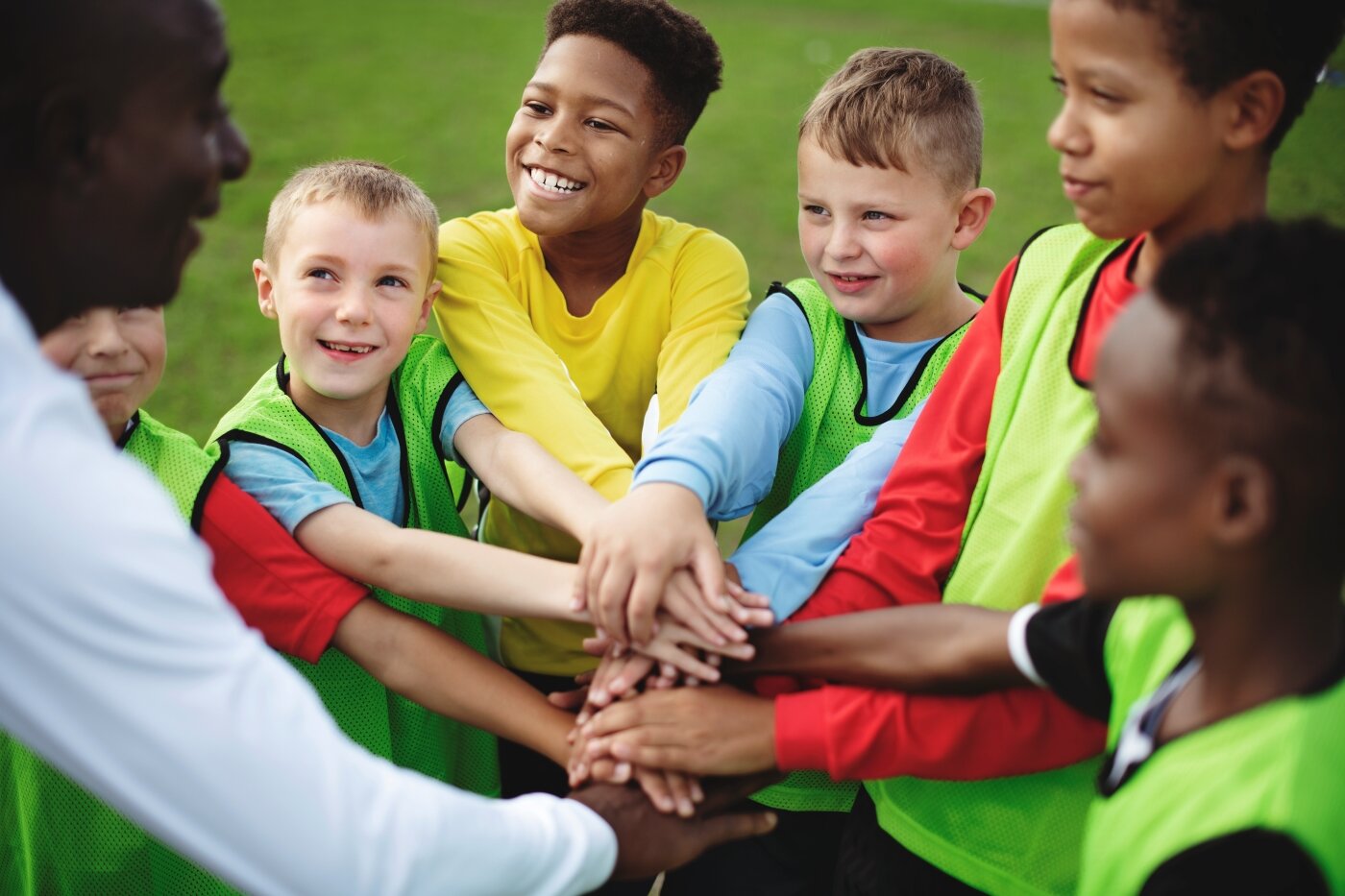
I’ll admit, I was pretty sad about it myself. When I looked up, though, there were no sad faces. As I looked around the circle, every kid was smiling. Well, smiling or beatboxing fart noises; they’re 8, after all. We shared with them how proud we were of how hard they tried, and all the things they did well, and that they did it together. They were happy. They put their hands in the middle and gave us a team yell for the record books. It was at that moment that I knew I had chosen the right career.
Coinciding with that baseball season, I had changed jobs. I was now going to facilitate small group lessons in kids’ sports. It was a dramatic change of industries, too. After that season, I had a palpable sense of purpose. It wasn’t just that I could be involved with youth sports for my livelihood, a much more fun and lighthearted line of work, but that I would be given a chance, every day, to make a difference in the life and future of a young person.
That moment, in that heartbreaking loss that would ensure we would not have a winning season, what I saw those kids do made me realize just how important youth sports are for a successful and fulfilling adulthood. They displayed three core traits, which I believe are vital to positive emotional well-being: resilience, tenacity and perspective.
I saw them bounce back, emotionally. The degrees to which resilience might be essential in one’s day-to-day life are variable, of course. They could, like me, end up spending 10 years doing a sales job (the career I had before this one). They could wake up every day and not know just how many rejections they would receive. As adults, they could pursue a future in engineering, chemistry, policy, the arts, or countless other professions that are fundamentally built on trial and error. If they do, they will have had a decade or more of sports losses to inform their abilities to dust themselves off and go do it some more with their chins in the air.
Those kids locked themselves in, with barely a whisper of dusk light remaining, and they set themselves to the task in front of them. They might not have been able to vocalize that it was harder, or how much harder it was to see the ball, but they were laser focused. And they swung hard. As if swinging harder was what it took to overcome the darkness. I can’t think of a better metaphor for tenacity. They were being fueled to give greater effort, in the face of a greater obstacle.
It made me think of stories my mom told me about her early days in the publishing industry. How she would repeatedly run up against middle-managers of questionable talent and integrity. How they would put up roadblock after roadblock. When she was told that she couldn’t achieve her goals, for one reason or another, it only drove her to work harder and want it more. She did eventually – as a woman in the 1970s, in New York City, in a male-dominated industry, without a college degree – become an art director of a major publication. Tenacity.
The kids’ smiles, though, were something special. They were able to put the loss into perspective. Now granted, probably not consciously so. Eight-year-olds only really have a few lines of inner monologue, and most of them are said in an Australian accent thanks to Bluey. But they were learning to think about the journey, and the pride in their effort, and the positive togetherness of sports, instead of a lost ball game.
Pro golfers are a rare breed when it comes to perspective. Not Brooks and Rory, mind you; the ones whose names you don’t know. There are over a hundred of them at every pro tour stop. Now think about how many you can name. Now imagine the mindset of the guy with an average finish ranked in the 90s. He can’t go to bed at night beating himself up that he didn’t take the trophy. He has to think about his game, versus his last game, and the guys in his tier of play. He has to look at his career from a somewhat objective level.
If he didn’t have perspective, he would drive himself crazy believing he should be number one. He has to look at his life and say, “Hey, another bottom-half finish, but I got my paycheck for doing my job, and playing golf for a living ain’t so bad.” By the way, do you have any idea how much the 100th ranked golfer made in 2024? I’ll give you a hint. It’s over $1 million. Shoutout Tyrrell Hatton.
Aside from the obvious benefit of getting the blood pumping through physical activity, sports matter for child development. Especially considering COVID, our current elementary-age children, and the crucial time that they missed developing socially with their peers. A positive social environment, a task to learn that’s based on fun, a format that allows for countless consequence-free failures, and a third place (outside home and school) to grow while learning who they are as people. These things are most available and most easily provided by sports. My wish is that every kid is afforded that opportunity.
Coach Heff, Matthew Heffernan, is passionate about youth sports. He recently opened up the greater Annapolis area as managing director for TGA, a youth sports enrichment brand specializing in pickleball, golf and tennis. Learn more at www.playtga.com/greaterannapolis.




Comments
No comments on this item Please log in to comment by clicking here