


Mostly Clear, 54°
Wind: mph,
Maintaining healthy arteries and veins is crucial to supporting a good lifestyle. Damage or disease to either of these vessels can result in various symptoms including — but not limited to — leg pain with or without walking, leg swelling, varicose veins, spider veins, and even strokes. Being aware of your circulatory system helps you stay ahead of these diseases and prevents symptoms from developing.
Arteries can develop plaque or even clot within and may result in pain in the leg, prevent sores from healing, or put someone at risk for a stroke. This is referred to as peripheral arterial disease. Primary sources related to plaque development are diabetes, smoking, high blood pressure and high cholesterol, to name a few. Controlling these diseases with the assistance of your primary care provider as well as associated specialists is very important.
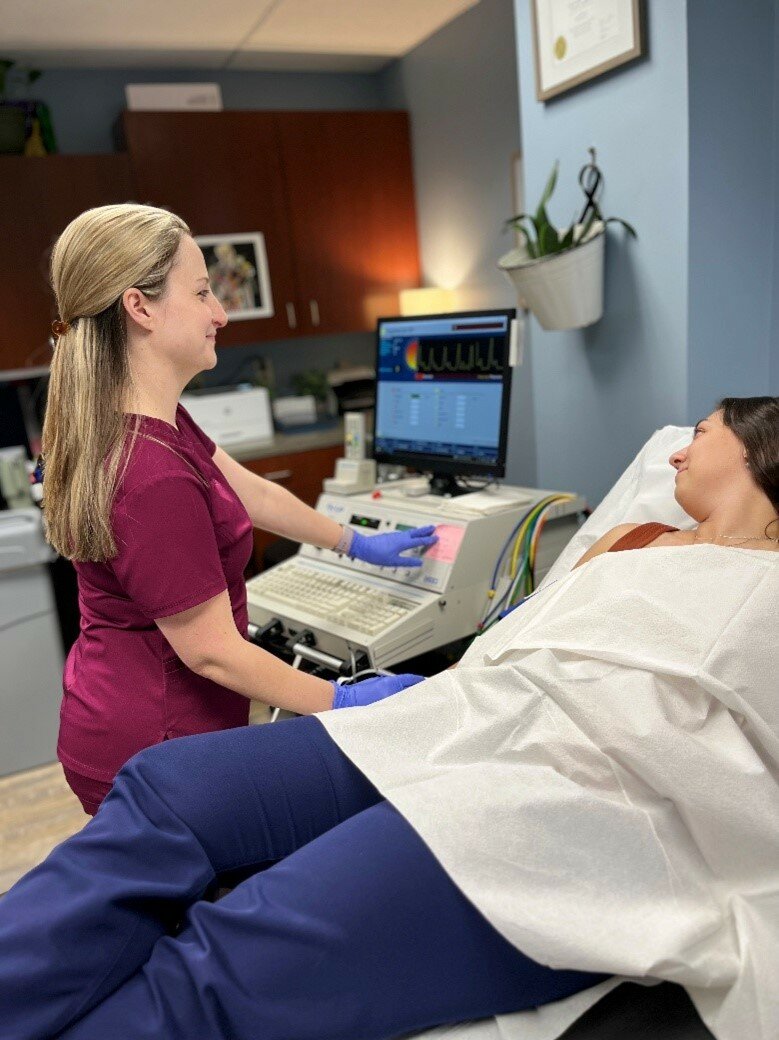
As time goes on, it can be crucial to monitor the progression of underlying arterial disease. This begins with a simple physical exam and possibly noninvasive ultrasound imaging in the office to confirm findings. Treatment options are focused on maximizing medical treatment and minimally invasive options, called angiograms, if these fail. When warranted, additional procedures, such as a bypass, may be performed in the operating room.
Veins act as the drainage systems for our circulation, and vein disease, also known as venous insufficiency, most commonly affects the legs. If the veins are not functioning as they should, patients may experience fatigue in the legs by the end of the day, leg swelling, or uncomfortable varicose veins. Somes changes in the skin color of the legs or itching can also result from vein disease.
As with the arteries, the first evaluation involves noninvasive ultrasound imaging performed in the office. Treatment options start always with nonsurgical options including compression stockings, leg elevation and cardiovascular exercise. If these measures fail, the process is to move systematically to treat your symptoms. From a surgical perspective, vein disease is also treated in a minimally invasive fashion. All of these procedures can be performed through a small nick in the skin after numbing the area or using a single needle injection to shut down the dysfunctional vein. This ultimately reduces the pressure that develops in the leg from the vein not functioning properly, resulting in symptom relief.
If you are experiencing leg pain, leg swelling, varicose veins, skin discoloration on the legs, or even if there is concern after a discussion with your primary care provider, do not hesitate to further evaluate your circulation. For more information and consultation, call Vascular Surgery Associates at 410-946-6402.


Comments
No comments on this item Please log in to comment by clicking here