



Clear, 73°
Wind: mph,


For 50 years, Marc Womeldorf lived with terrible back pain that radiated down his legs and made it excruciating to sit in a chair.
Womeldorf’s spinal symptoms presented when he was just 16 years old, cutting lawns and hoisting heavy mowers into the back of his parents’ station wagon. Swimming and exercise brought temporary relief, which launched his professional interest in the field of physical therapy.
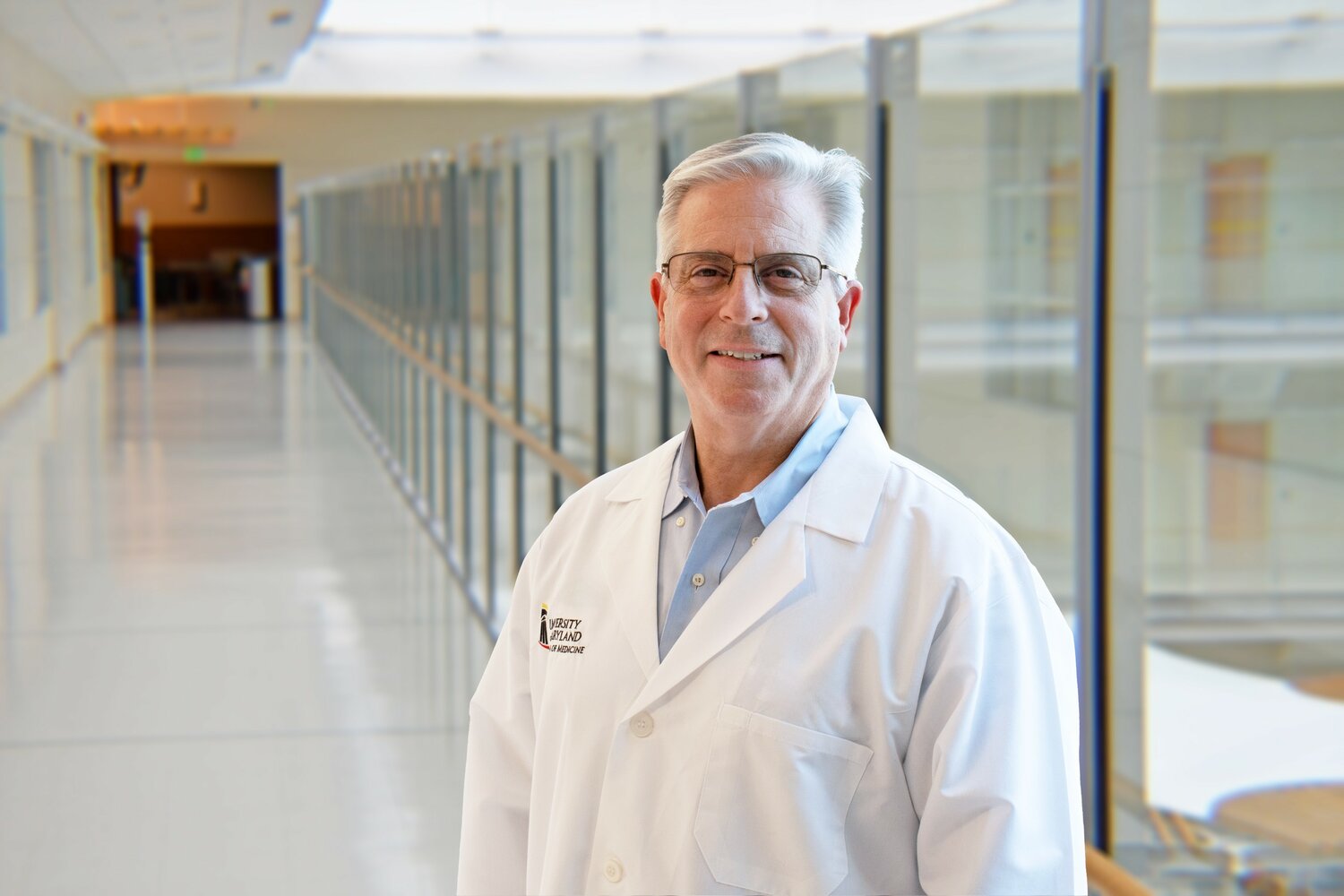
Initially, Womeldorf avoided spinal surgery, despite working at several health care organizations and being familiar with advances in treatment. That changed when he came to the University of Maryland Baltimore Washington Medical Center (UM BWMC), a member organization of the University of Maryland Medical System (UMMS), which brings academic medicine and the latest care advances closer to people across the state. After observing the consistently positive outcomes and compassionate bedside manner of neurosurgeon Clifford Solomon, MD, he decided to move forward with surgical care.
In 2021, Womeldorf had his first spinal surgery, an L5S1 fusion, performed by Solomon in his lower back.
“The recovery was a piece of cake compared to what I was even dealing with,” Womeldorf said. “(I) didn’t think I could feel that good.”
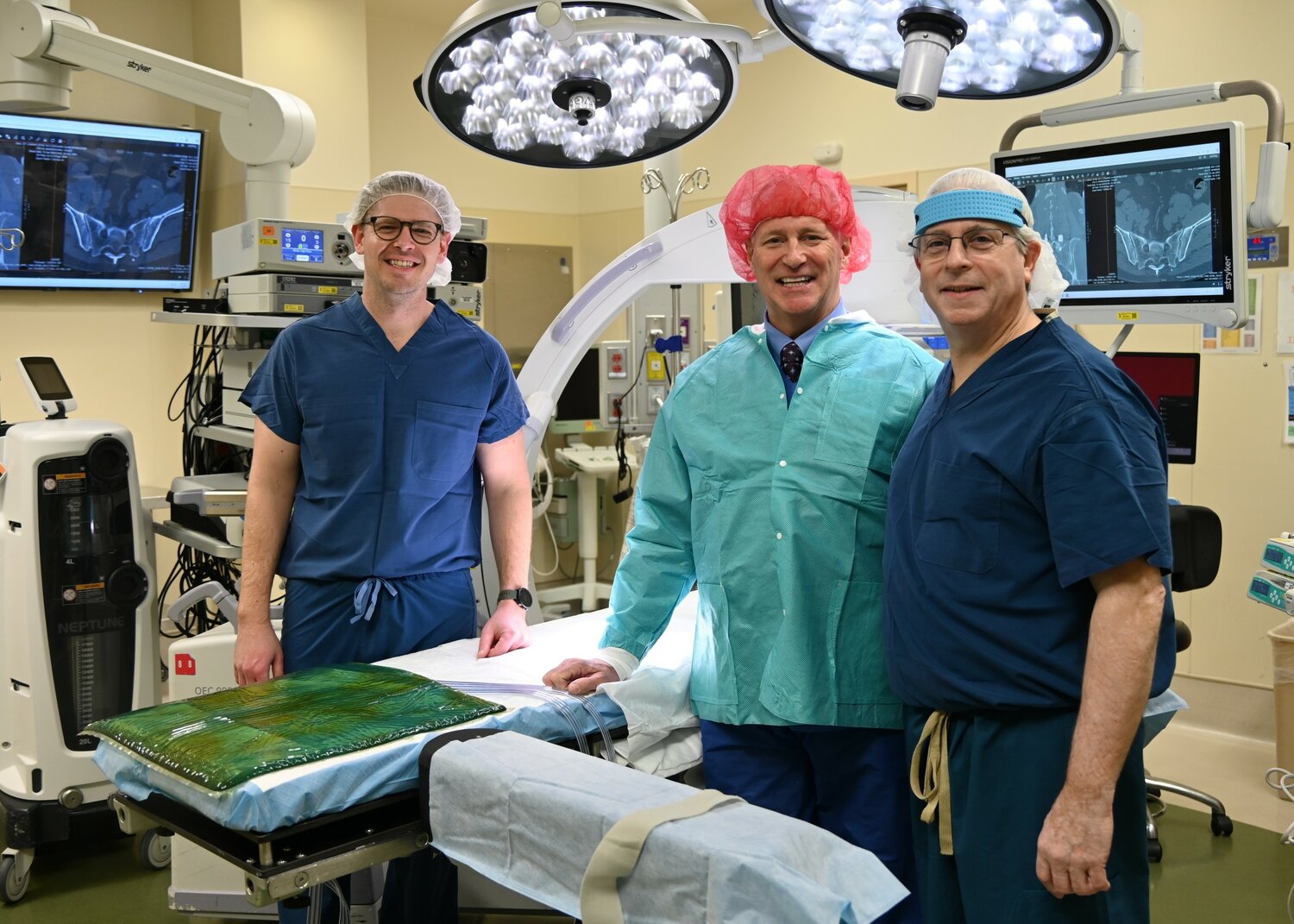
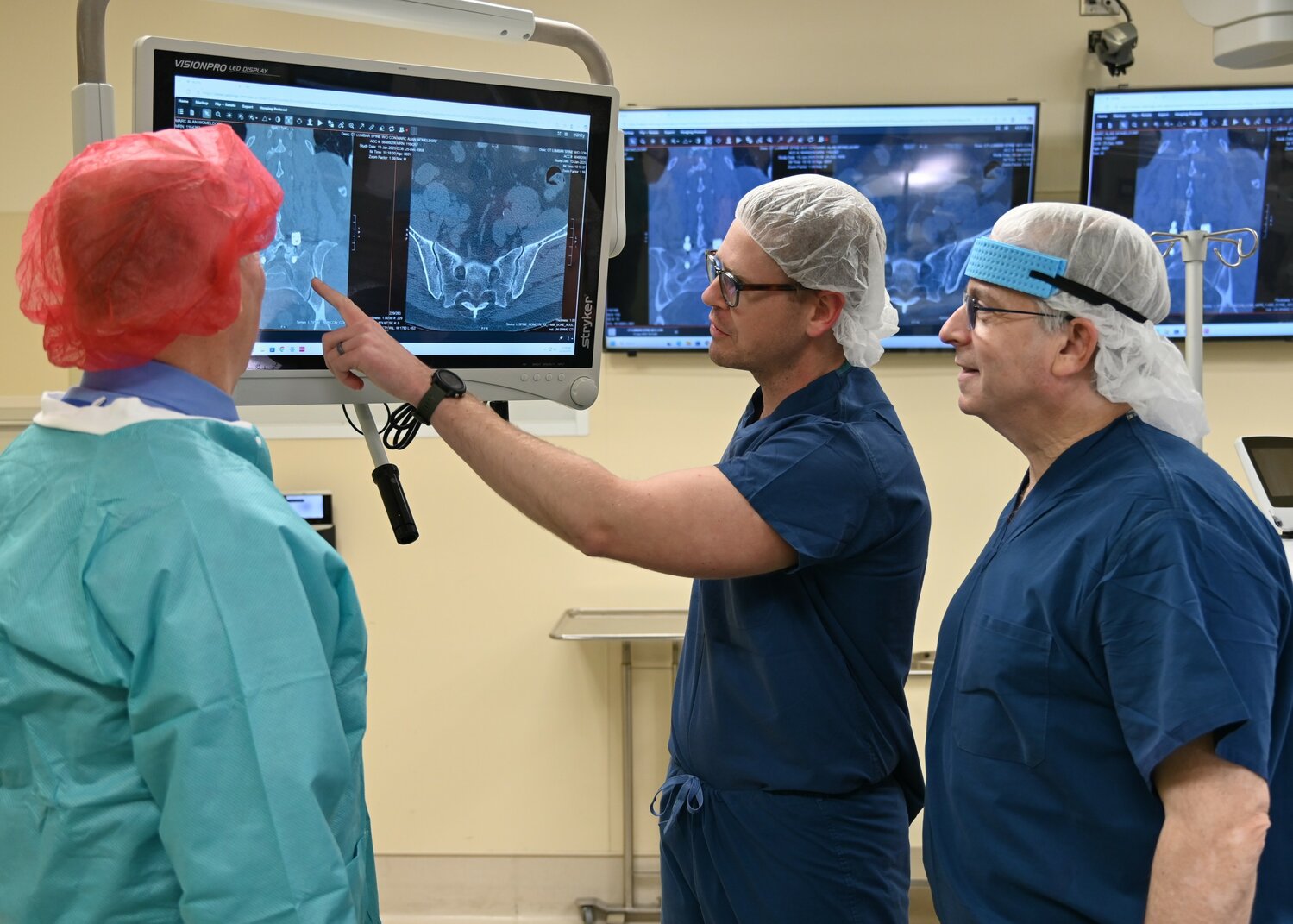
Solomon shared that for Womeldorf’s surgery, his team developed a focused approach with the least invasive way to perform the procedure and used computer-assisted navigation to perform the surgery.
“He did great, and that just made me feel wonderful,” Solomon said of Womeldorf’s outcome. “To see him at work walking around, looking taller because he wasn’t bent over. He didn’t have this look of pain on his face anymore. He came up and gave me a big hug and said, ‘I can’t thank you enough.’ That’s better than any payment in the world, helping somebody like that.”
Womeldorf’s world expanded after the surgery: with his daughter, he split a nine-mile ocean swim that included a kayaking segment he said he could never have done before. He later split a 12.5-mile swim around Key West.
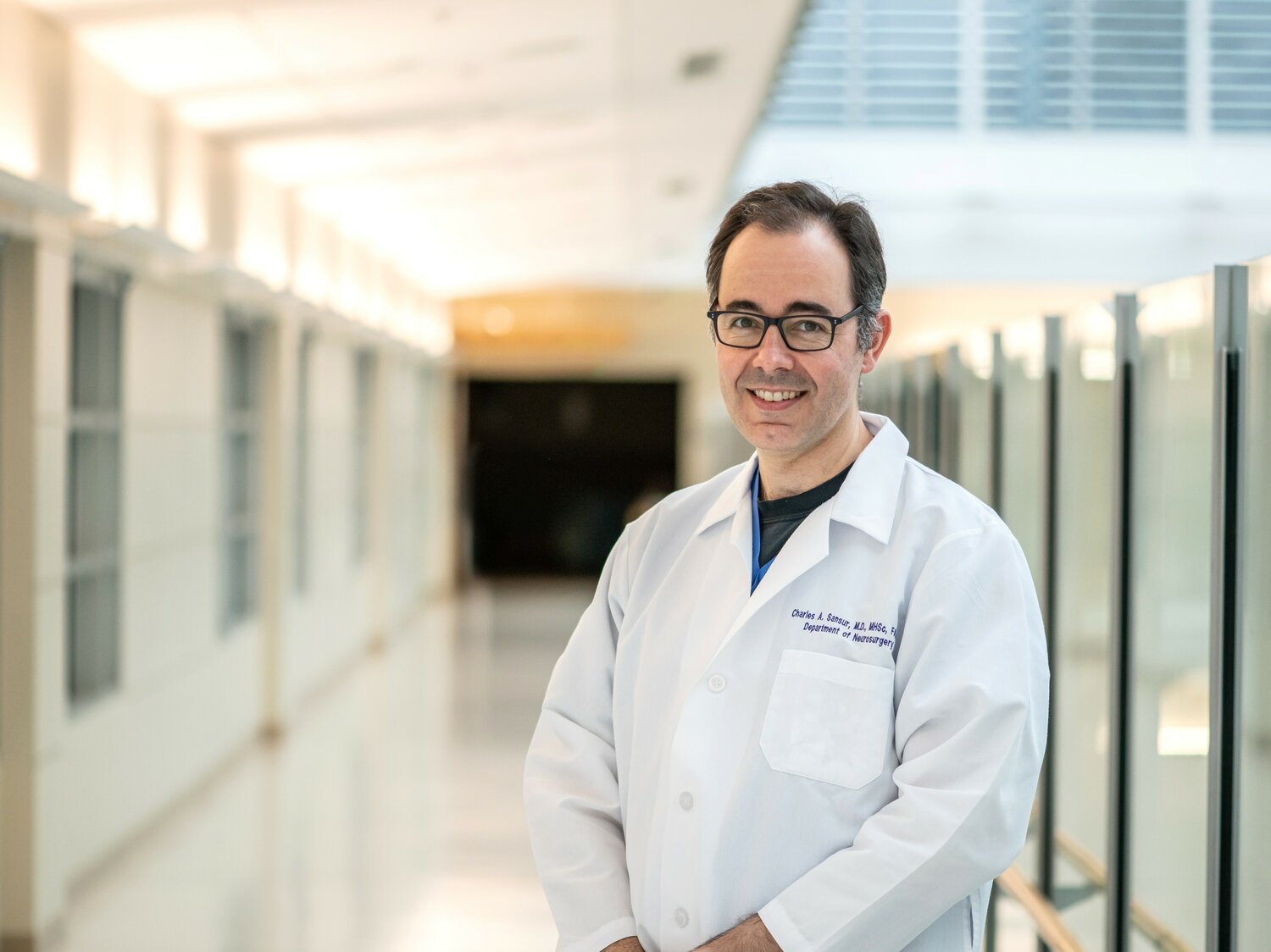
Within a couple of years, however, a slight discomfort emerged in Womeldorf’s pelvic area. Solomon referred him to Charles Sansur, MD, vice chair of neurosurgery and director of spine surgery at the University of Maryland Medical Center (UMMC), the flagship hospital of UMMS. Sansur is a nationally renowned expert in fusions pertaining to the sacroiliac (SI) joint, the location of Womeldorf’s new pain.
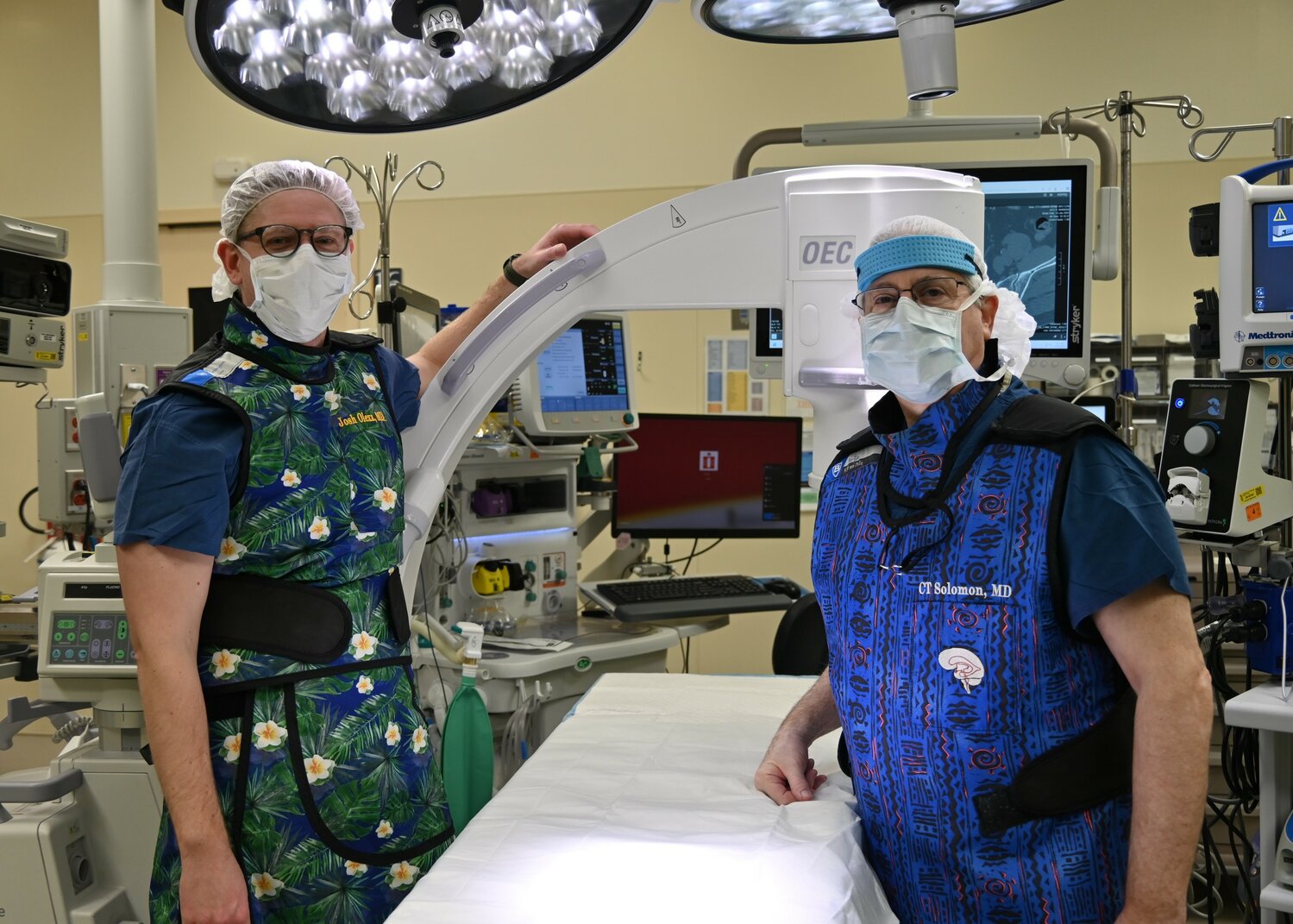
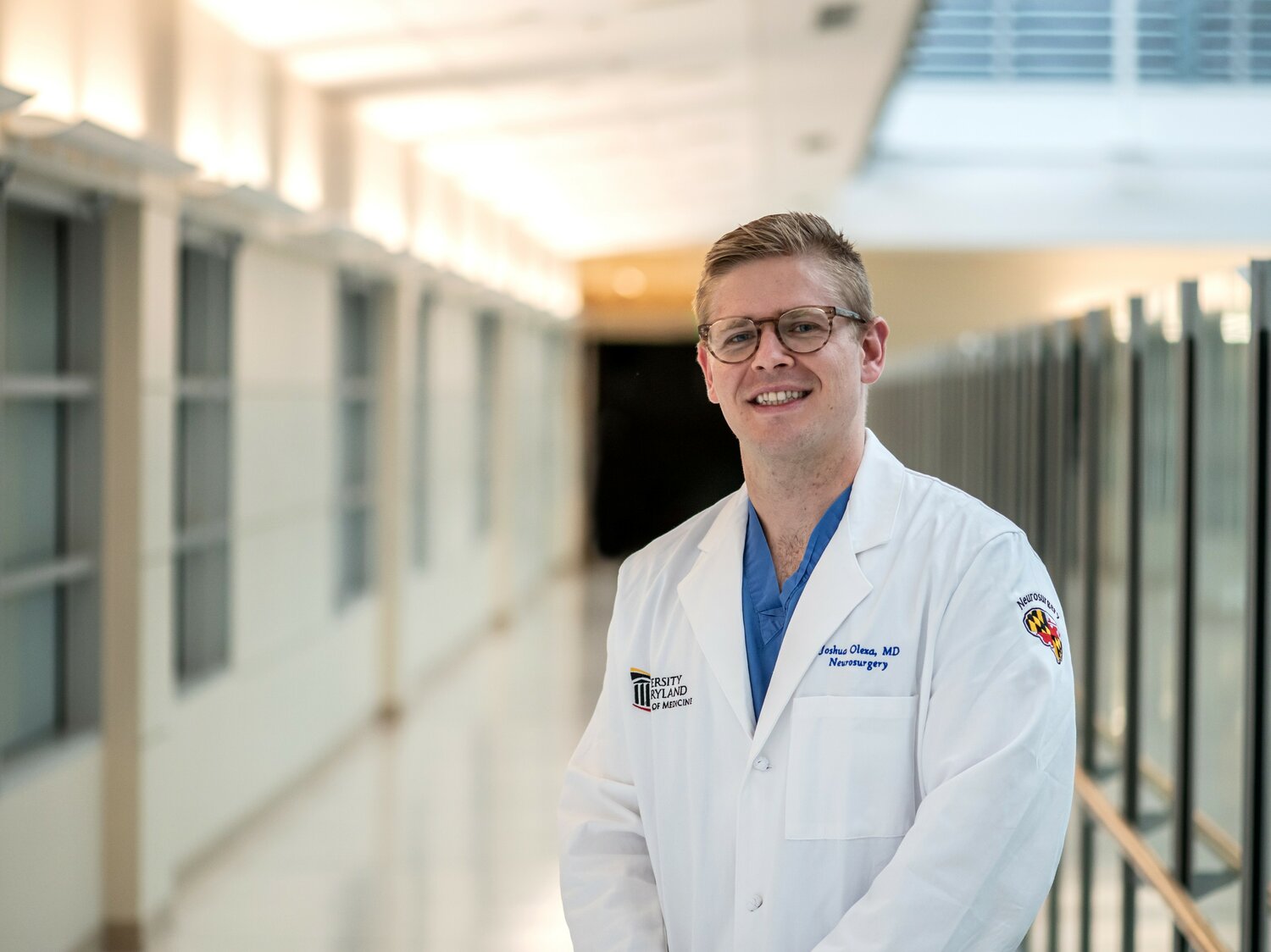
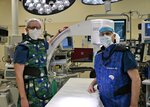
In July 2025, Womeldorf underwent his second spinal surgery to fuse his SI joint, which connects the sacrum to the pelvis. The procedure was performed locally at UM BWMC by Sansur with assistance by Joshua Olexa, MD, a neurosurgeon who completed his residency at UMMC and is now a full-time neurosurgeon at UM BWMC.
“In Marc’s case, we knew that L5S1 was successfully treated, so it was pretty easy to figure out that his residual symptoms were coming from the SI joint,” Sansur said.
The SI joint procedure has advanced significantly in recent years, thanks to minimally invasive techniques that create smaller incisions. For patients, that means shorter hospital stays and fewer complications after surgery.
Sansur added, “Performing an SI joint fusion through minimally invasive techniques can really improve SI joint pain. Marc was interested in the procedure, and he was a good candidate as he had benefited well from previous joint injections in that site.”
Again, Womeldorf had excellent results. “My pelvis went (from) feeling like a bag of bones, just unstable, to being solid,” he shared. “I never knew what a normal back and pelvis felt like, until now.”
Womeldorf’s surgical success is just one of many stories of healing and hope for patients receiving advanced care close to home at UM BWMC, supported by UMMS.
The experts with the University of Maryland spine neurosurgery team provide comprehensive care for patients in need of brain, back and neck surgery – diagnosing and treating the full spectrum of brain and spine conditions, from tumors to herniated discs and sciatica.
Solomon, who has operated for 37 years as a neurosurgeon, emphasized that UM BWMC and UMMS have created a culture that resembles a “tapestry of high-tech, high-touch.”
“Everyone here has the mentality of really wanting to make a difference,” Solomon said of his colleagues throughout the hospital and across UMMS.
Patient care is paramount for Olexa and Sansur as well.
“One of my favorite things about this job is the connection I make with patients,” Olexa said. He shared that he became interested in neurosurgery because he was first a patient himself: He underwent surgery for a herniated disc in his lower back in college, and again when he re-herniated the disc training for a marathon while in medical school.
“I can truly empathize with a lot of (patients) because I’ve been there. I enjoy that aspect of being able to see how the surgery helped them and then how they’re getting better. I feel as though I can walk with them through their journey,” he said.
Sansur emphasized that the neurosurgery department’s connection to academic medicine and use of leading technologies enables UM BWMC to take the best possible care of patients closer to home.
“I think what makes the University of Maryland spine neurosurgery team stand out is that we have all facets of neurosurgery very well represented here,” Sansur said. “Within the spine division, we treat a broad range of concerns from single spinal fusions to complex deformities and cancer tumor surgery. Thanks to the advanced technology capabilities, many of these offerings can be performed with smaller incisions, producing better outcomes and faster recovery for our patients.”
He added, “When it comes to brain disease, we have an incredibly experienced and talented team treating brain tumors. Across UMMS, we have cutting-edge approaches to address cerebrovascular disease including aneurysms and arteriovenous malformations as well as a leading functional program that uses focused ultrasound to treat movement disorders. It’s an exciting time to practice neurosurgery, and we’re thrilled to offer these comprehensive services to more Marylanders.”
UM BWMC is located at 301 Hospital Drive in Glen Burnie.
To learn more about the University of Maryland spine neurosurgery services available at UM BWMC, visit www.umms.org/spinesurgery2.


Comments
No comments on this item Please log in to comment by clicking here