


Clear, 73°
Wind: mph,
Winter has never felt natural to me.
Living in Maryland, I have always loved the rhythm of the seasons. Spring brings dew and cool air, summer stretches into long days on the water, and fall arrives with crisp mornings and cozy sweatshirts. Then winter comes, and something shifts.
As daylight fades and temperatures drop, my body responds in ways that become hard to ignore. I feel heavier, tired and dull. My energy drains more quickly, and thoughts grow louder and harder to organize. The resilience I carry through brighter months slowly slips away, replaced by a low-grade tension I cannot quite shake.
Each year, I convince myself that this will be the winter I finally outsmart it. I draft ambitious plans and reach for every tool I know: light therapy, consistent exercise, carefully structured routines, and early mornings carved out for quiet time. For a while, it works. Then, slowly, I slip back into a familiar pattern of pushing through by overworking and overdoing, as if effort alone might carry me to spring.
What none of these strategies truly address is the deeper issue. Even when resting, my nervous system never fully shuts off. My mind keeps running, my shoulders stay tight, and my breathing remains shallow. I am constantly bracing, even when there is nothing to brace for.
When you live this way long enough, it becomes your normal. You stop noticing how tense you are until something finally allows you to soften.
When I was first introduced to contrast therapy, I was hesitant. It was presented like another wellness trend, amplified by social media and celebrity endorsements, destined to fade as just another fad. I was not interested in chasing extremes. I simply wanted to feel better. In times of desperation, my skepticism faded.
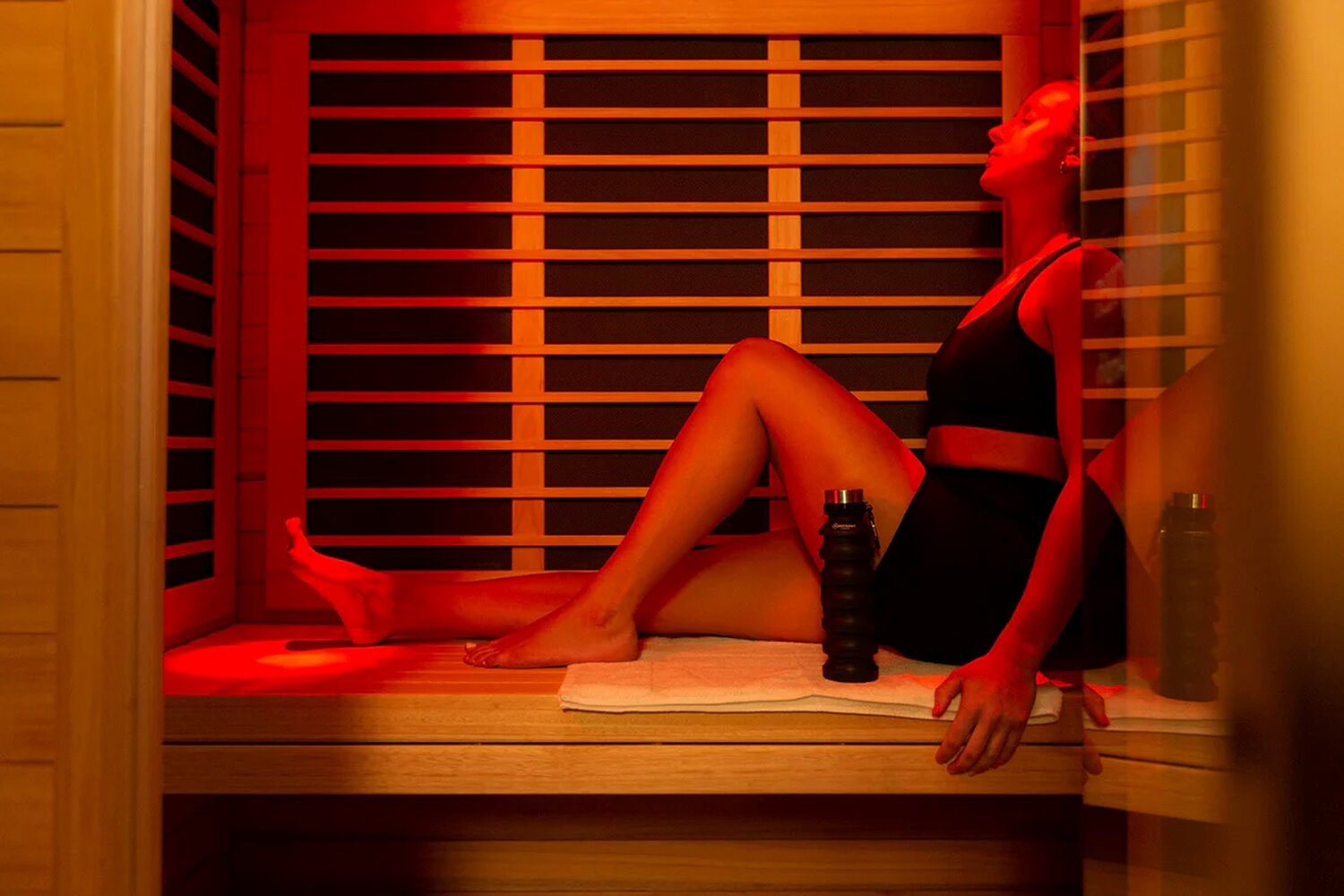
I began with infrared heat, and unlike traditional sauna exposure, the warmth felt deeply penetrating without being overwhelming. It quickly became clear how tightly I had been holding myself together physically and emotionally.
Following the infrared sauna, I stepped into a cloud of eucalyptus-scented air. Each inhale felt intentional, each exhale longer than the one before it.
It took courage to enter a cold plunge. In seconds, it felt like my breath had been taken away. I stepped out and this rush of complete calm and focus came over me.
The last step was the vibrational sound bed. I laid down, headphones on and vibration engaged, and something happened that I was not expecting. My mind stopped. It was absolutely silent. There was no internal dialogue, no to-do list, no inner critic, no replaying conversations or anticipating outcomes. My heart rate dropped, my breathing deepened, and for the first time in what felt like forever, I was fully present.
I walked to my car feeling different. It was still dark and cold, barely past 5:00pm, but the dread that usually followed me felt more manageable. The shift was not dramatic, but it was undeniable.
While this experience felt deeply personal, it reflects patterns increasingly supported by scientific research. During winter, reduced light exposure affects serotonin, dopamine and melatonin levels, which play critical roles in mood, motivation and sleep. Colder temperatures and shorter days can place added strain on the body and nervous system. Many people experience increased muscle tension, slower circulation, lower energy, and a sense of being stuck in a heightened stress state.
I have now learned that contrast therapy and sensory-based wellness practices assist in guiding the body through intentional cycles of stimulation and recovery.
Infrared sauna therapy encourages circulation, supports detoxification, and reduces inflammation. The nervous system shifts toward a parasympathetic, or “rest and restore,” state. Regular use has been associated with improved sleep, reduced inflammation, and cardiovascular support.
Eucalyptus steam therapy supports deep respiration and muscle relaxation, while its warmth and aromatic properties help calm the nervous system.
Cold plunge exposure provides a brief but powerful stimulus, prompting the release of dopamine and norepinephrine, neurotransmitters that support mood, focus and stress resilience.
Vibrational sound therapy adds another layer by combining low-frequency vibration with sound to gently influence brainwave patterns associated with relaxation and emotional regulation.
Winter has taught me that resilience begins with regulation, not force, and that the seasons of heaviness we experience are often periods of nervous system dysregulation. My own journey became the catalyst for expanding Skinlogic. Experiencing the profound impact of intentional regulation transformed the way I understand wellness and made it clear that this approach needed to be shared beyond my own experience.
Meredith Baker, PNP-AC, FNP-C, is the founder and owner of Skinlogic, a Severna Park–based medical spa elevating aesthetic medicine through an integrated, whole-body perspective. Skinlogic offers thoughtfully designed contrast and vibrational therapies. Learn more at www.skinlogic.org.


Comments
No comments on this item Please log in to comment by clicking here