



Clear, 73°
Wind: mph,
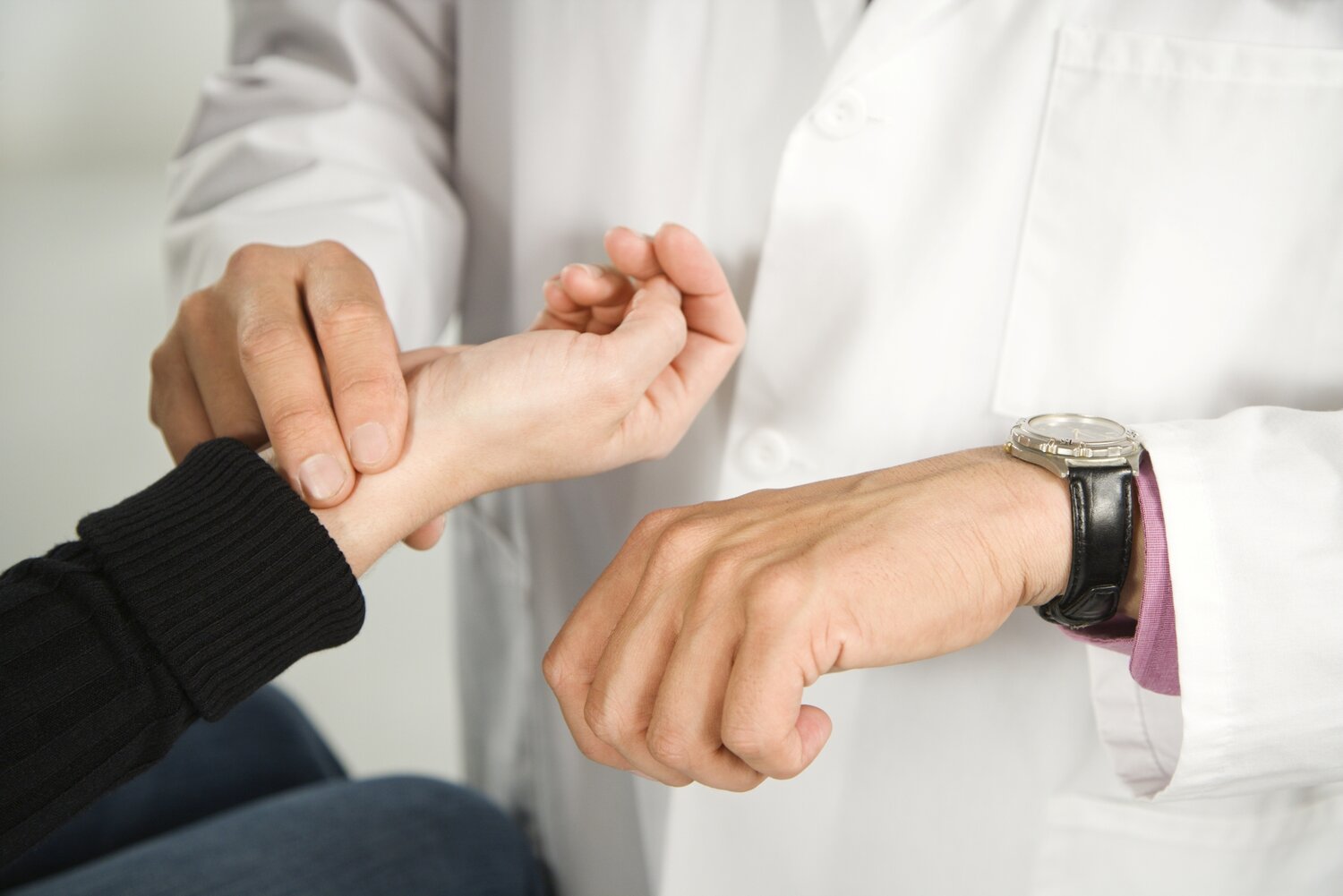
When you visit a medical provider, checking your vital signs – like blood pressure, blood oxygen level, and heart rate – is typically one of the first steps. These measurements provide important insights into your heart health and overall well-being.
One key measurement is your resting heart rate, or the number of times your heart beats per minute when you’re not active. For most adults, a normal resting heart rate ranges from 60 to 100 beats per minute. Factors like fitness level, stress and medications can affect this rate. Generally, a lower resting heart rate indicates better cardiovascular fitness, meaning your heart doesn’t have to work as hard to pump blood.
According to the American Heart Association, a higher resting heart rate is linked to lower physical fitness, higher blood pressure and excess weight, all of which can raise your risk for heart disease.
A resting heart rate below 60 beats per minute isn’t always a problem. Athletes and people on beta blockers often have slower heart rates. However, if it causes symptoms like dizziness or fatigue, it could be a condition called bradycardia. Some cases of bradycardia are harmless, but others may require medication or a pacemaker.
A resting heart rate over 100 beats per minute is called tachycardia. The key is that this elevated rate occurs at rest, not during physical activity, which normally raises your heart rate. Tachycardia can lead to symptoms such as shortness of breath, sweating, fainting or even cardiac arrest.
There are several types of tachycardia, and treatment may include medications, implanted devices or a procedure called ablation to correct abnormal heart rhythms. It’s also important to note that not all elevated heart rates are due to a heart condition – heat, caffeine, stress and emotions can also temporarily increase your heart rate.
If you feel your heart is beating unusually fast or slow, take a moment to check it. Sit quietly for a minute or two, then place your index and middle fingers on the artery inside your wrist. Count the beats for 60 seconds to find your resting heart rate.
Have questions about your heart rate? Connect with a cardiologist at University of Maryland Baltimore Washington Heart Associates. Visit www.umbwmc.org/heart to learn more about its heart care services.
This branded content is brought to you by an expert in his or her respective field.



Comments
No comments on this item Please log in to comment by clicking here