


Clear, 78°
Wind: mph,
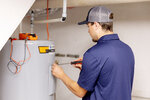
Nearly every home has a water heater, but not every water heater is the same. Plumbing companies receive calls daily for issues ranging from no hot water and inconsistent temperatures to unusual odors, leaks and pressure concerns.
While replacing the unit may seem like an obvious solution, the first step is to determine what is causing the problem. The condition of the water heater, the homeowner’s priorities, and the available repair or replacement options should all be considered. When possible, multiple solutions enable customers to make an informed decision with confidence.
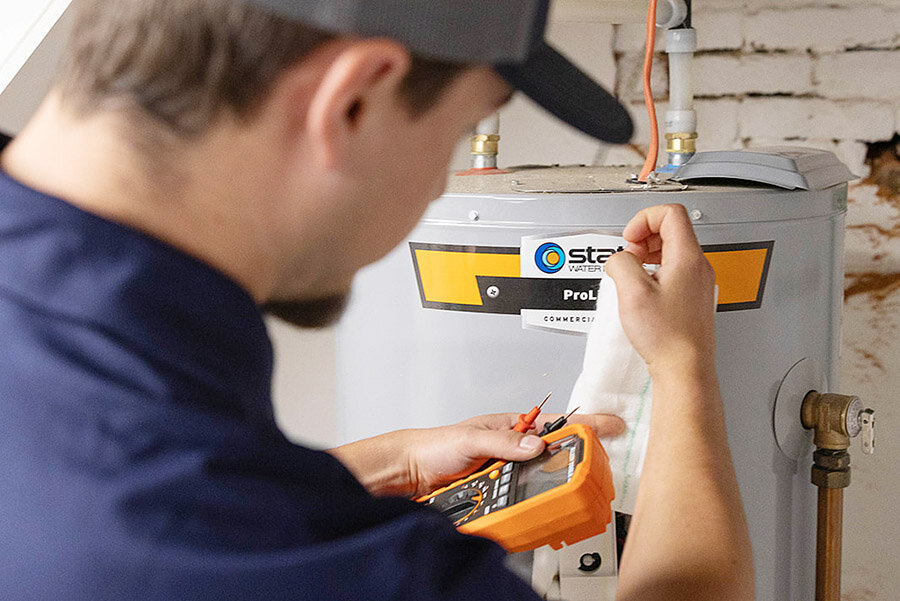
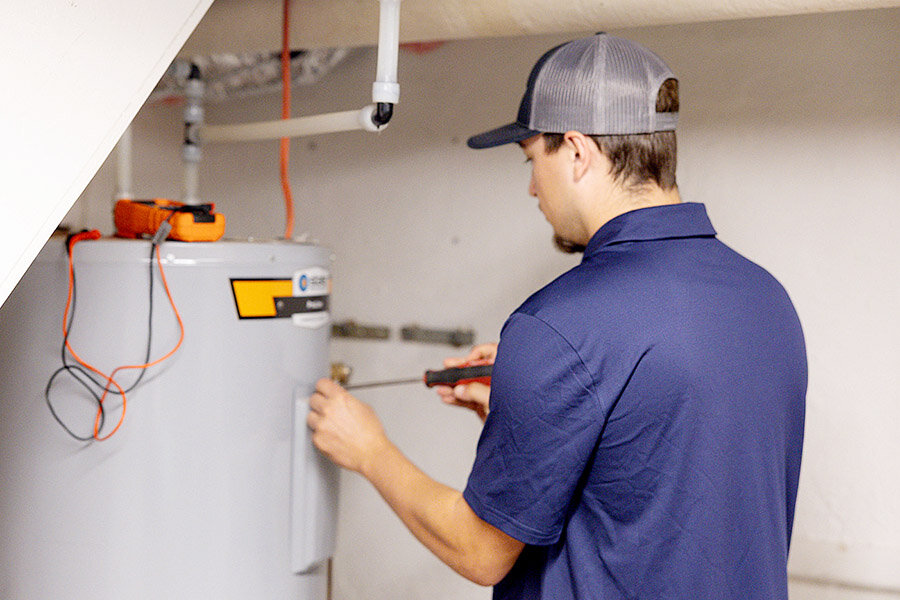
Diagnosing a water heater starts with understanding the system. Is it a traditional tank-style unit or a tankless, on-demand system? Is it powered by gas or electricity? How old is it? Has it been maintained or flushed regularly? These details help determine whether the issue may involve a heating element, thermostat, burner, venting, sediment buildup, water pressure or an expansion tank.
For a homeowner, these possibilities can sound overwhelming, especially when the original concern was simply an inconsistent shower temperature. That is why a proper evaluation is so important.
Traditional tank-style water heaters commonly last around eight to 12 years, depending on water quality, installation, usage and maintenance. Tankless units can often last longer when properly maintained. Regular service can also help identify smaller problems before they become expensive repairs.
In some cases, replacement is the best long-term solution. In others, the water heater may still be in good condition and only need a repair, such as a new heating element, thermostat, anode rod or expansion tank.
If thinking about a tank type replacement, your next consideration is your home’s usage and needs. Standard tank types typically range from 40-80 gallons of water storage, with 50 gallons being the most common unit. Units are sized to meet the requirements of the home, not necessarily the customer.
For example, if you know your family members all shower around the same time every morning or evening, hot water will be in high demand at that time. You may run out of hot water running the dishwasher or a load of laundry using warm water while showers are going.
Some homeowners consider upgrading to a larger tank if space allows, or installing a tank booster that can increase their on-demand water supply without increasing overall tank capacity. This is a commonly installed item on new and existing units that can bridge the gap between addressing specific needs and not installing a larger than necessary tank size.
A benefit of a tankless unit is that there is constant hot water available and it takes up much less space. That said, there are still constraints to its capabilities with varying flow rates in different models. Tankless units also require ample gas or electrical supply when in use, something to consider if transitioning from tank type to tankless.
It’s common to get calls to install a tankless in place of a traditional tank type, only to find out the customer’s home does not have the existing gas or electrical requirements. Modifications can certainly be made to the piping or electrical panel to accommodate the update, but it can sometimes come as a surprise when not initially factoring that into your budget.
The key is not to assume every water heater problem requires the same fix. A qualified plumber can evaluate the system, explain the options, and determine the best solution for your home and budget. If it has been a while since your water heater was inspected, consider scheduling an estimate appointment before a minor issue becomes a major inconvenience.



Comments
No comments on this item Please log in to comment by clicking here