



, 56°
Wind: mph,
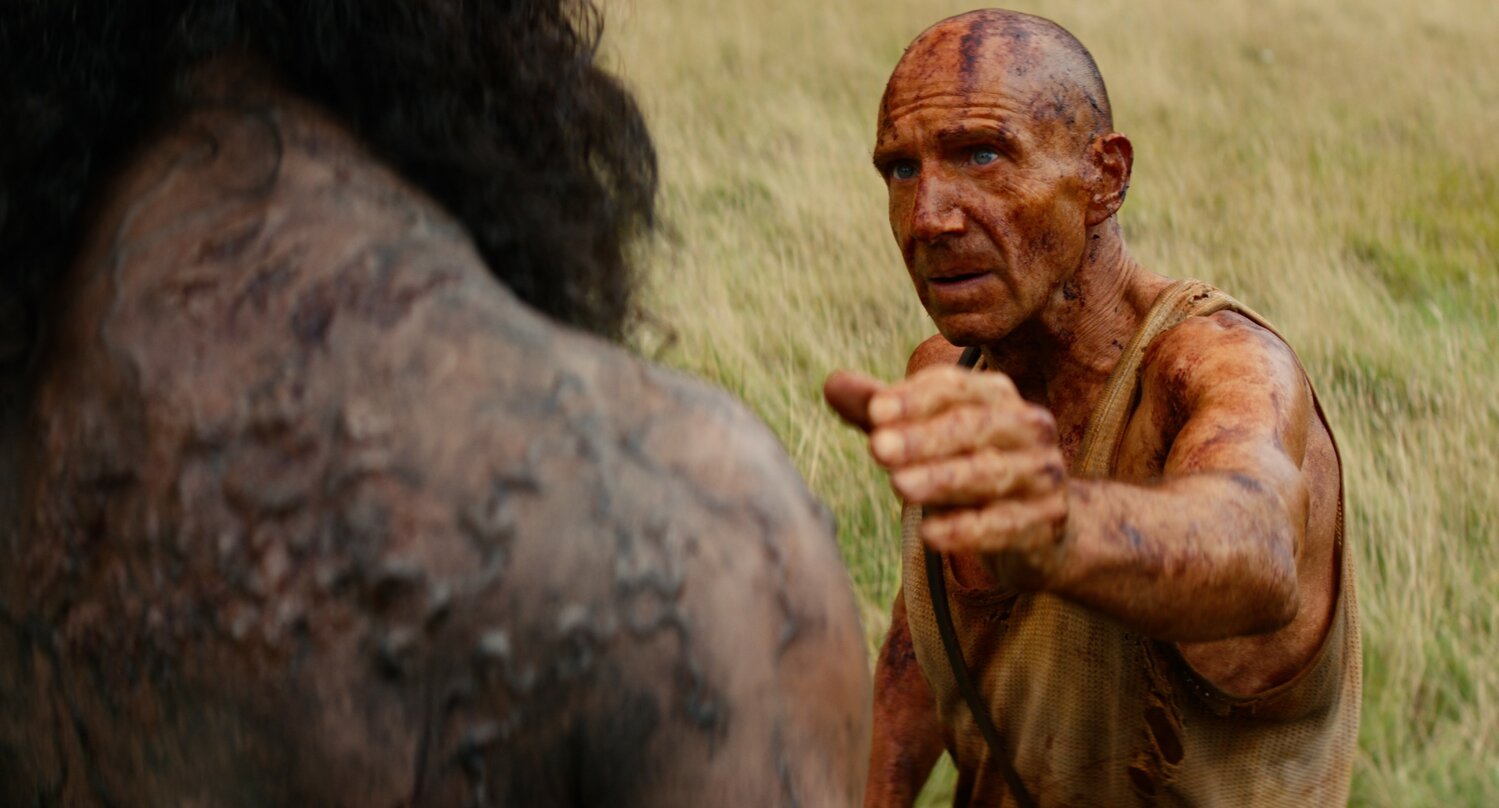
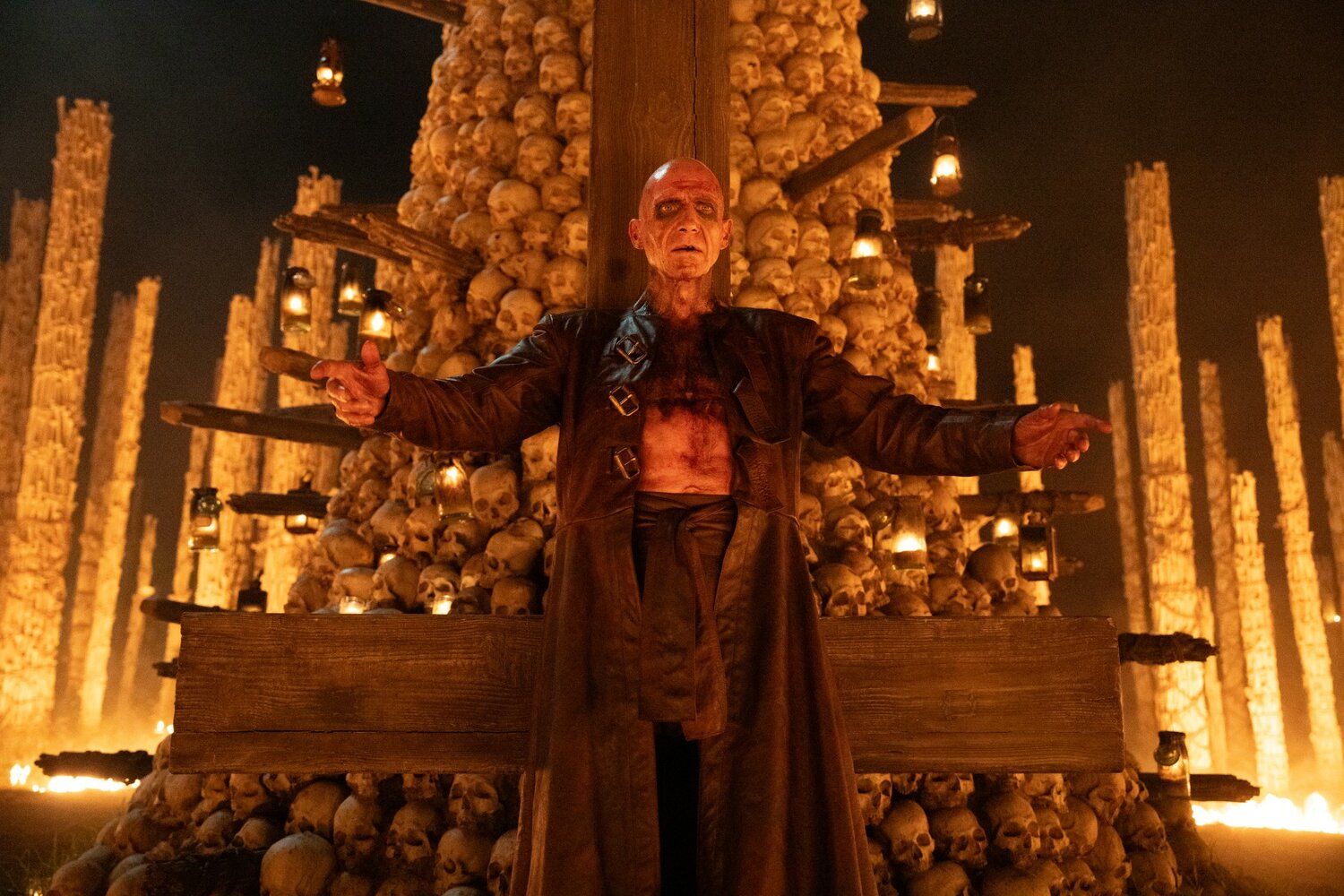
It was an intentional and effective choice to film “28 Years Later” and its immediate sequel, “28 Years Later: The Bone Temple,” nearly 28 years after the first installment.
The series’ first installment, “28 Days Later,” might have been released in 2002, but its themes are still relevant to this day. Both modern sequels carry on the same spiritual legacy.
In the original film, the “Rage Virus” breaks out of a lab in the United Kingdom, spreading prolifically and creating hordes of infected, hostile and rapidly moving zombies. Jim (Cillian Murphy), a bicycle courier, wakes up in the hospital to find London completely abandoned, unaware of what has transpired in the 28 days since the outbreak. He finds another group of survivors and makes his way to the north of England in an attempt to find soldiers who have promised “salvation,” but he instead finds nine leftover squaddies who have turned to predation, assaulting the woman and child in Jim’s party.
Writer Alex Garland has a flair for the dystopian (“Civil War,” “Never Let Me Go”) and likes to explore what happens when existing societies and power structures fall apart. Vacuums form, and suddenly the immediate problem (in this case, the infected) isn’t always as dangerous as the covert evil that lies within other people. Survivors are both your salvation and your biggest threat in an apocalypse. High control groups — some people call them “cults” — easily spring up, religious or otherwise.
As a former member of a high control religion, I always find it interesting to see the difference between converts and those who are born into the group — the former are often the most zealous. In “28 Years Later,” we met Spike, a boy who never knew a world before the Rage Virus. Spike was born into a fairly healthy group given the post-apocalyptic wasteland he lives in. Strict rules and roles in a commune can be necessary or even beneficial when the threat to survival is very real. But like many before him, Spike wonders about the outside world and feels he is being lied to and manipulated by his community.
Seeking a cure for his mother, who is very ill, Spike travels to the mainland to find Dr. Kelson (Ralph Fiennes) and leaves the relative safety of his community, much as Jim did 28 years before him — only to find a real cult, run by the sadistic Jimmy Crystal and his converted group of “fingers” (who are all named Jimmy too).
“The Bone Temple” follows Spike in his unwilling journey alongside the Jimmies and explores how charismatic leaders can exploit and exaggerate danger to control their followers, often with the aid of group-specific language and group-specific ritual.
Modeling Jimmy Crystal on Jimmy Savile was a twisted but poetic choice. Savile was a distinctly British figure and widely unknown in America (aptly demonstrated by the number of American teenagers on TikTok who dressed up as Jimmy for “Bone Temple” screenings). He was a prolific abuser of children, hidden in plain sight on public television — think Mr. Rogers meets Jeffrey Epstein. That stomach-churning combination unsettles the viewer from the beginning. Crystal’s group, dressed as Power Rangers and Teletubbies, model nostalgia from a time they never knew — and in their timeline, Savile’s sinister nature was never revealed, never obvious.
The whole franchise asks us what it really means to be human; the cult leaders, whether it be the commanding officer in “28 Days” or Sir Jimmy in “Bone Temple,” seem harmless to the eye but arguably have less humanity than one of the infected, whom Kelson befriends. Kelson himself seems frightening and odd, so much so that Spike’s father avoids him, but he is a gentle and level-headed spirit devoted to remembering those who have died in the pandemic. Kelson’s calm and paternal nature reminds me of Louis Theroux, a famously calm and empathetic journalist, who was himself fooled by Savile in the 1990s. And so the cycle continues.
The cinematography was noticeably unique in “28 Days Later” – jumpy, scattershot, often blending the absurd with the horrifying. “The Bone Temple” continues that legacy with a budget to match. This installment is viscerally graphic, probably the hardest to watch of the three films, but it leans so far into the bizarre that you can’t help but be swept away.
Ralph Fiennes reliving his Voldemort aesthetic while bopping his head to a Duran Duran dominated score was certainly not on my bingo card for the film, but my goodness, it works. The spectacle of the closing scene, in particular, is unmatched. Self-referential and cohesive but rarely cynical, “The Bone Temple” is not for the faint of heart, but it’s well worth watching.


Comments
No comments on this item Please log in to comment by clicking here