


, 56°
Wind: mph,







Editor’s note: This review contains spoilers.
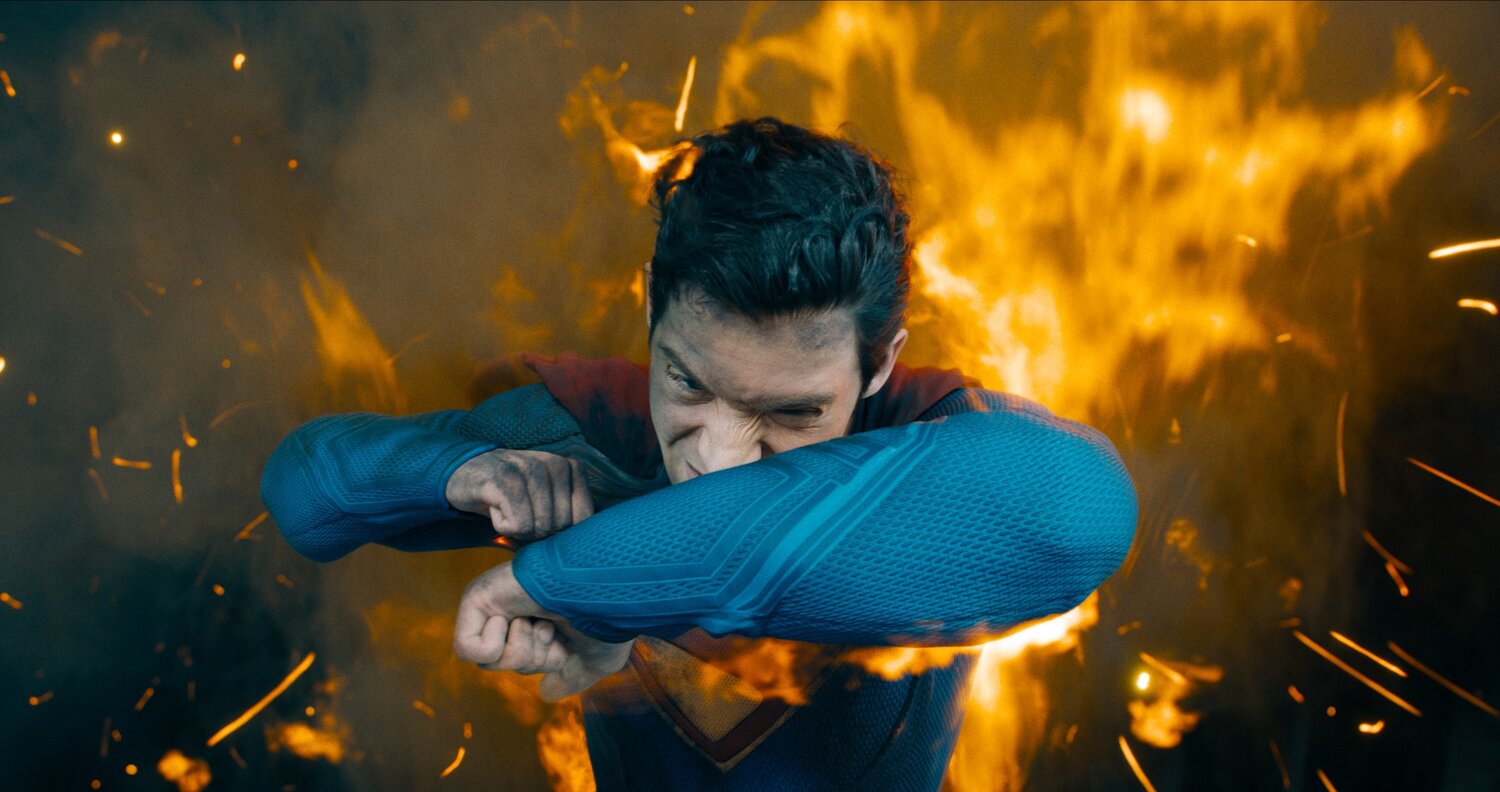
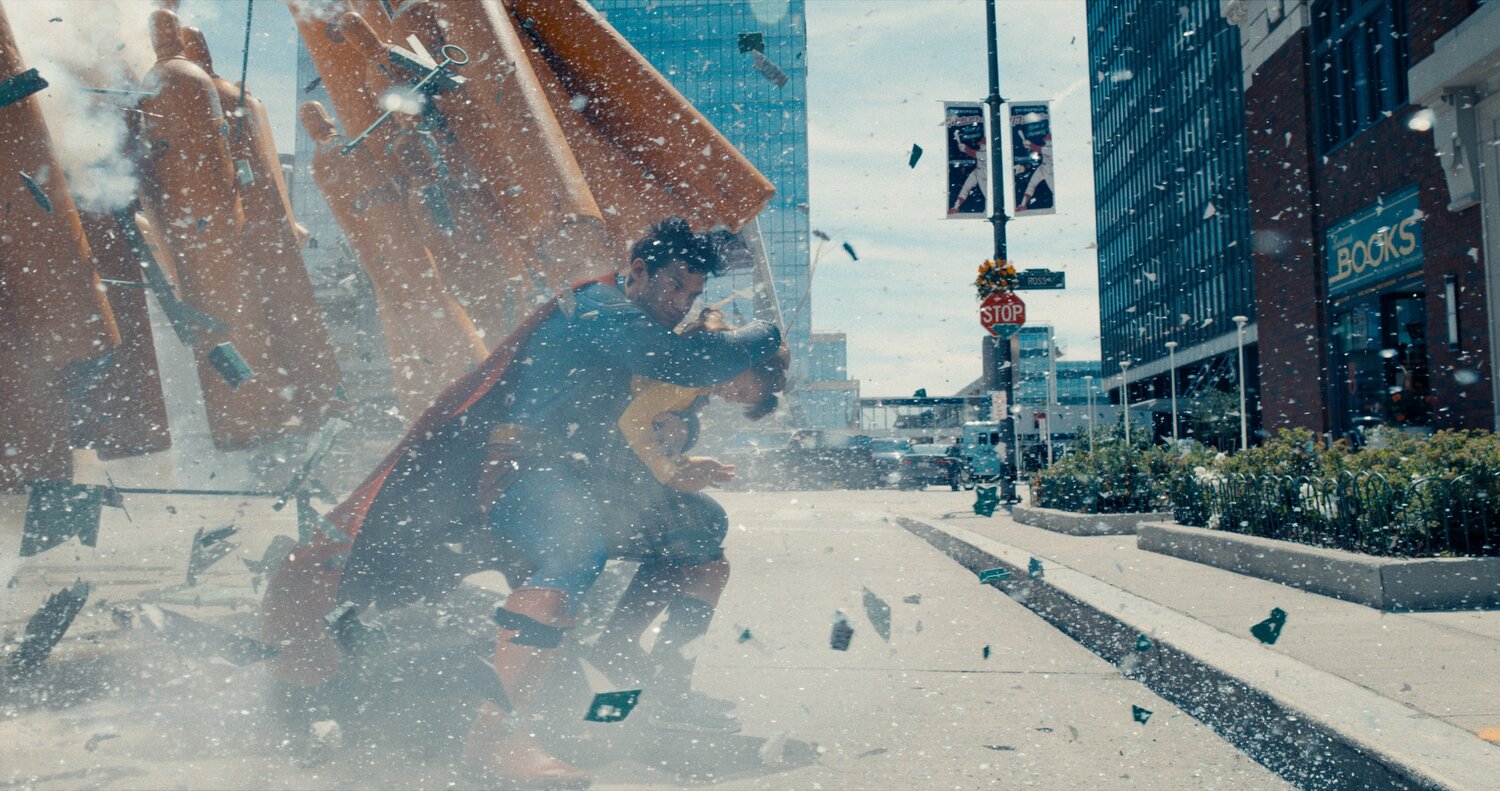
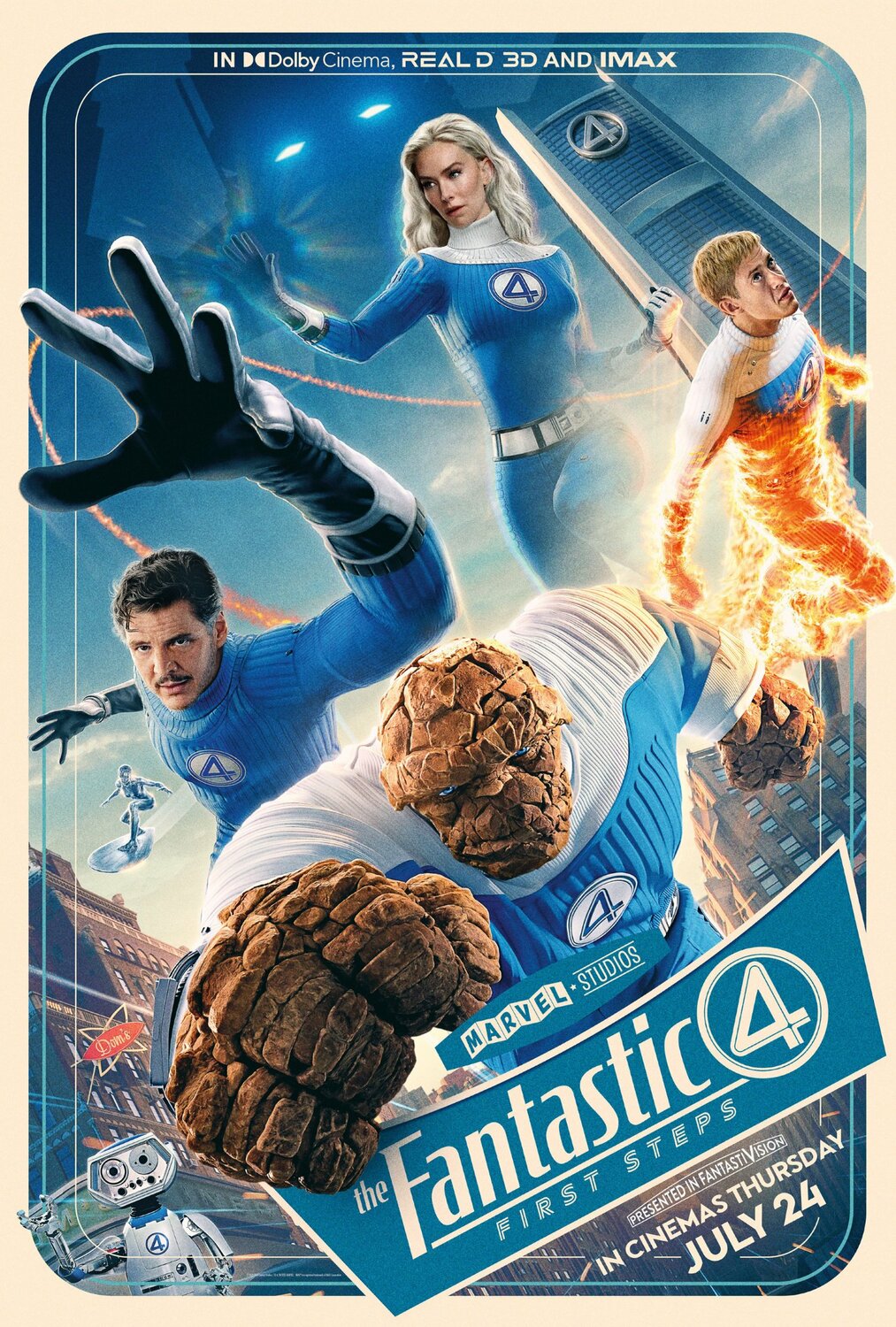
“Superman” and “The Fantastic Four: First Steps” hit cinemas around the same time and for most moviegoers, the releases have been a breath of fresh air, receiving positive feedback at a time when superhero franchises are getting stale. They both represent a return to the fundamentals while making their stories modern and fresh. But upon closer examination, one shows the heart and soul of what a superhero story used to be all about, while the other, under the hood, is insidious and needs to be challenged.
Let’s start with what they both get right.
Both return to the campiness of the source material and don’t take themselves too seriously. We are so over the unnecessary, pointless grit of the Zack Snyder era — give us a bad super-dog that causes havoc by chasing flying balls. Give us the visually pleasing aesthetic of the ‘60s mixed with modern technology.
At their heart, superhero stories are meant to be feel-good fun, centered around super people with relatable non-super problems, all while teaching a simple lesson.
But this last component is where the two films diverge in quality. The moral behind “Superman” is well thought out — a timeless message that the creators likely had in mind from the beginning, one we need to be reminded of. “Fantastic Four” promotes an immoral “lesson” that is also ancient but deeply evil, and it is the exact opposite of what people need to hear right now. Let’s compare.
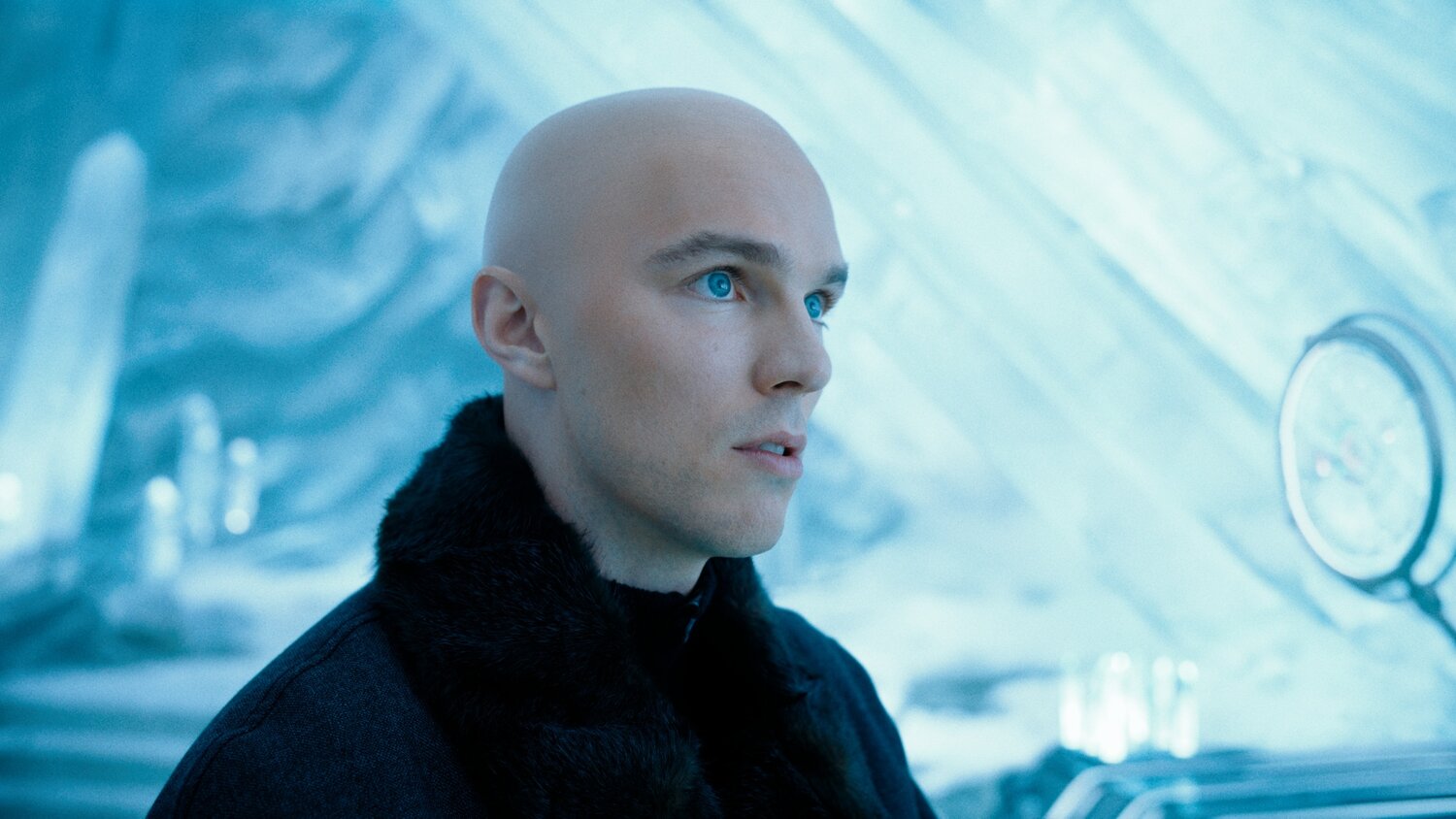
“Superman” manages to have some complexity and a 2025 update, without being too deep. Lex Luthor has become very Elon-coded. He represents the dark side of the American dream, buying his way to the top through cunning and capital, edging out those like Superman who were born with validation and power he sees as unearned. He craves recognition and will do anything, including interference with world politics and subjugation of entire peoples, to take down his enemy and get the praise he craves — but his efforts are always in vain.
Superman, in contrast to Luthor, lives his life by a simple but solid code of ethics. He has his worldview challenged multiple times throughout the story — by the ghosts of his parents, by his love interest, Lois (rather reasonably), and by society itself. But at the end of the day, in an allegory so unsubtle I’m shocked a modern Hollywood studio made it, Superman says, “You know what? Mass murder and the invasion of a powerless nation is bad. The end. We’re not doing it.” That’s a moral to live by. The comic book Superman punched Nazis. I’m glad to see that Superman back in the driver’s seat, at a time when he is sorely needed.
For “Fantastic Four,” on the other hand, I think the moral is, “Stand by family and protect those you love, no matter the cost.” Which is a nice sentiment at face value but a lot more complex when the cost is the literal human race.
This isn’t a new moral dilemma. It’s as familiar as Nosferatu. Galactus is nothing but an appetite, one who requires the ultimate sacrifice to be stopped. It’s as well-trodden as the trolley problem.
There are many ways of handling this theme, and the writers chose the path of least resistance. Such a shame that all the budget and attention to detail went to the aesthetic (which to be fair, was brilliant) rather than the writing. Sue Storm is the ultimate entitled boy mom who just expects the entire world to bend over backward and sacrifice their lives for her precious, oh-so-special little baby boy, because he’s her baby boy. She gets offended at the mere prospect of her husband daring to consider the fate of all humanity, and she shames him thoroughly for his audacity.
The four could have saved the child in many ways — they could have decided not to perpetuate the cycle of planet consumption, for example. The Human Torch could have decided, after realizing the sacrifice the Silver Surfer made to save her planet at the expense of all the other planets, that the cycle stopped with Earth — that they were going to fight, even if their chances were slim, to try to save all worlds, not just their own. They could have made a difficult moral decision and sided with the people who wouldn’t pull the lever in the trolley problem, decided it was just wrong to sacrifice even one innocent without their consent, no matter the cost. They didn’t do any of that. It’s not the saving of the child that’s problematic — it’s the selfish reasoning behind why they chose to do it.


Comments
No comments on this item Please log in to comment by clicking here