



Clear, 73°
Wind: mph,
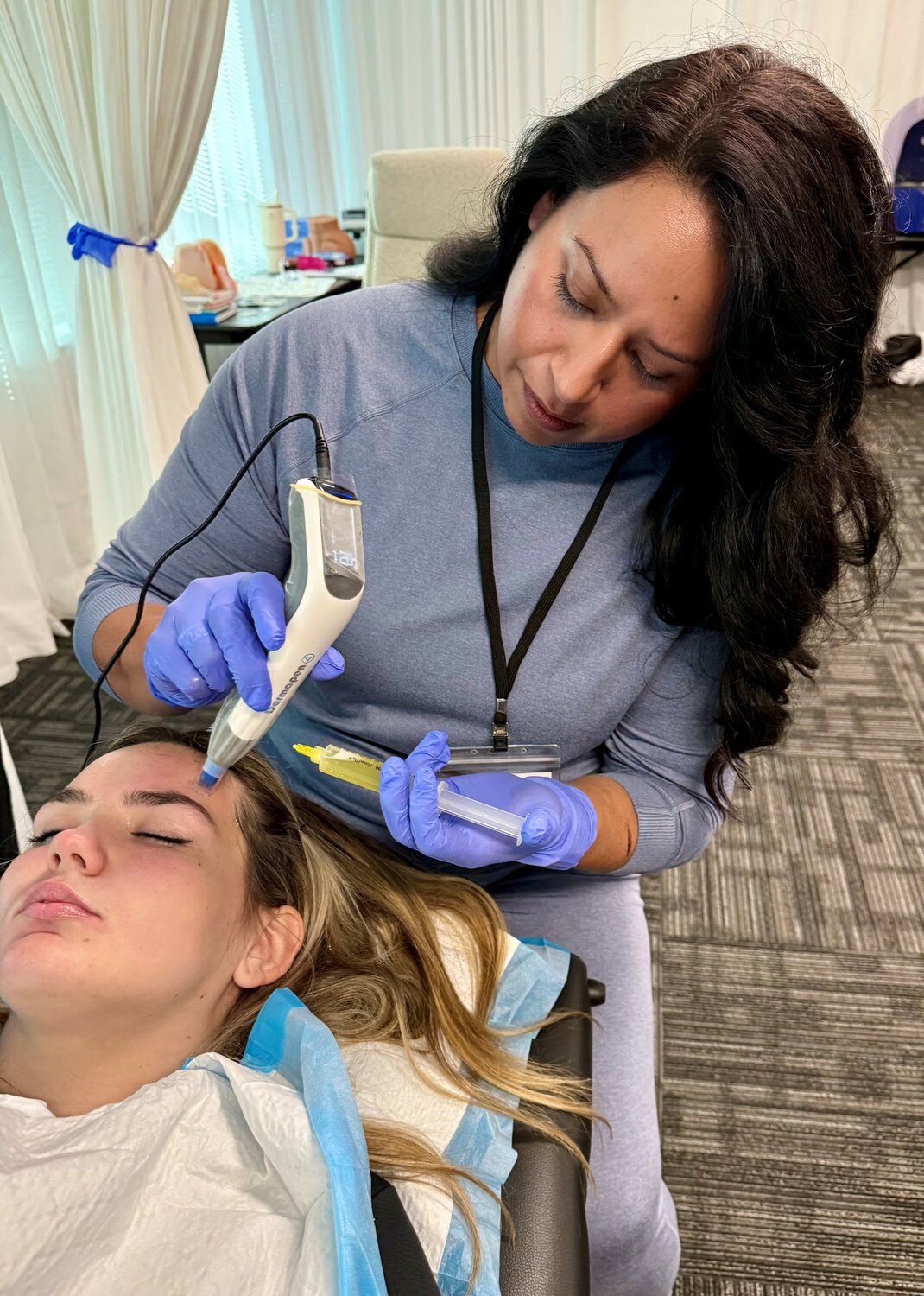
A promising type of regenerative medicine is stem cell therapy. It can provide treatment for a variety of ailments by utilizing your own body’s natural repair mechanisms to restore damaged tissues and decrease inflammation. Here is what you should know about stem cells.
The human body is made up of a multitude of cell types and stem cells are necessary for building and maintaining the body. They have the unique ability to go from a generic cell to a more specialized cell, such as muscle, bone or nerve cell. Additionally, they can also indefinitely divide and create new stem cells. This is a self-renewing capacity that makes stem cells special.
Some different stem cells include embryonic, mesenchymal and induced pluripotent. Embryonic stem cells are found during the earliest stage of embryonic development, and they have the ability to develop into nearly any type of cell in the body. Mesenchymal stem cells (MSCs) are found in adult tissues that include umbilical cord, fat or bone marrow. These cells generally go on to become the same cells they were derived from, such as blood, cartilage or bone cells. MSCs are the main stem cells used in regenerative medicine because they play a significant role in tissue restoration and regeneration, immune system repair mechanisms, and for their anti-inflammatory properties. Induced pluripotent cells are also adult cells that are actually programmed to act like embryonic stem cells.
Stem cell therapy offers an innovative approach to medicine for four key reasons:
Stem cell therapy has provided hope for patients experiencing a variety of conditions, whether that be orthopedic injuries, neurologic disorders, autoimmune diseases, or sexual function.
If you are interested in the opportunity to experience healing and real relief, contact Optimal Longevity MD to discuss benefits, risks, and suitability for your specific condition. Call 301-978-6015 or schedule a consultation online at www.optimallongevitymd.com.


Comments
No comments on this item Please log in to comment by clicking here