



Clear, 78°
Wind: mph,
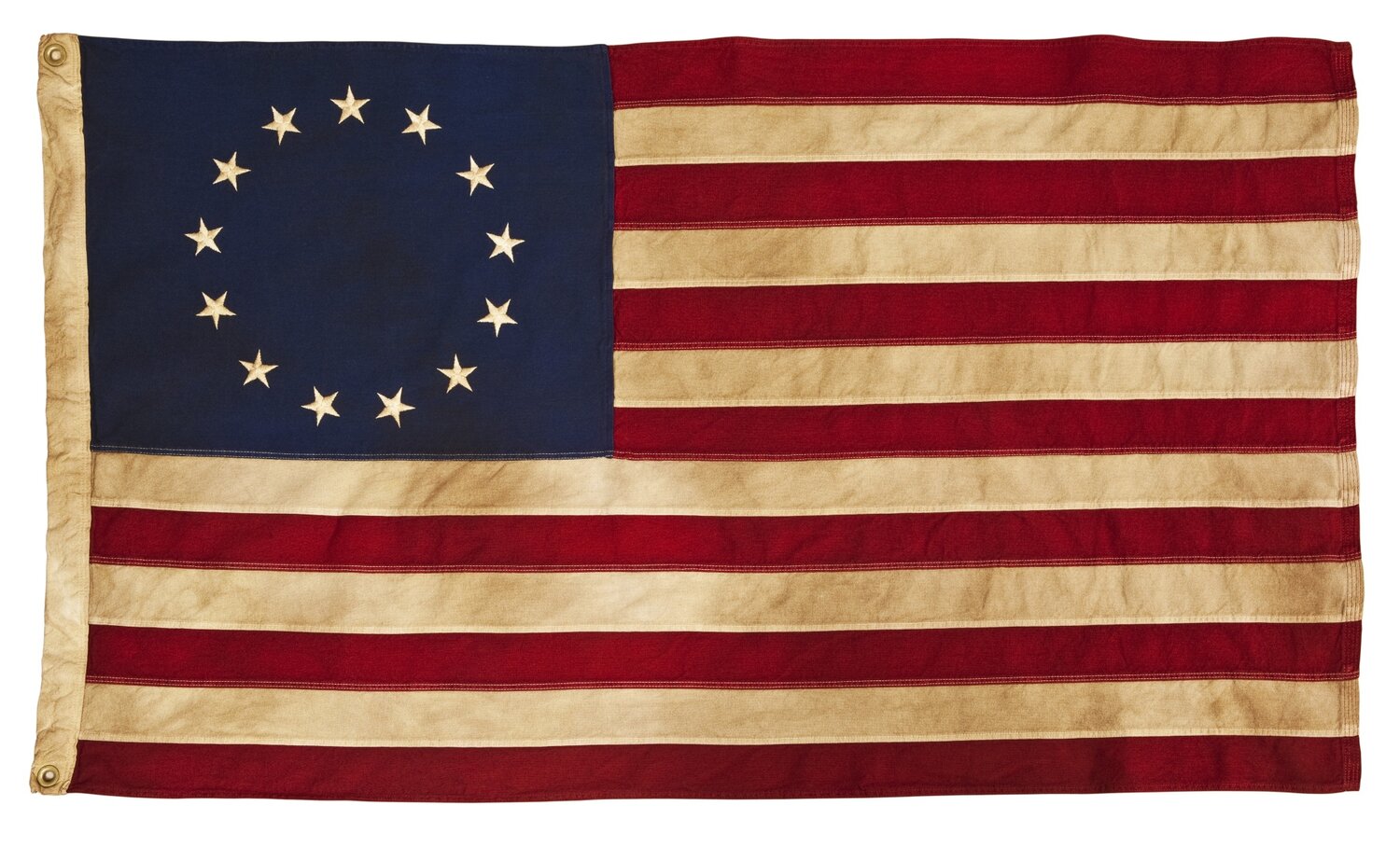
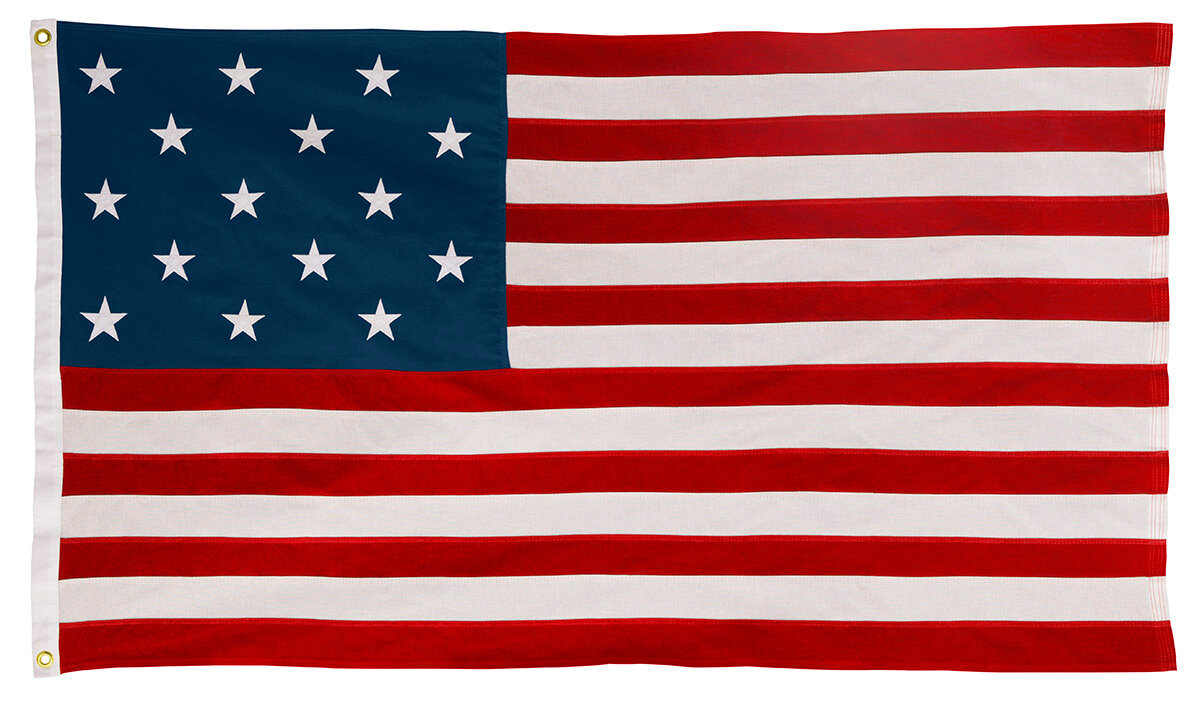
On July 4, citizens across the United States celebrate allegiance to the red, white and blue symbol of independence: the American flag. The flag’s current design of 50 white stars and 13 alternating red and white stripes has existed for only 65 years. From 1775 to 1960, the flag changed designs to reflect the nation’s growth. The flag of today is the product of centuries of challenge and triumph, and its often-forgotten past designs tell the story of America.
When the American Revolution began in 1775, the American flag did not exist. British colonists in America fought under regimental flags. One of these flags featured a green pine tree against a white background with the words “An Appeal to Heaven” printed over the tree. Another common flag featured an alternating red and white striped background with the picture of a snake and the words “Don’t Tread on Me.”
On June 14, 1777, the Continental Congress created a resolution that established an official flag for the new American nation. The resolution stated, “That the flag of the thirteen United States be thirteen stripes, alternate red and white; that the union be thirteen stars, white in a blue field, representing a new constellation.” This flag design was named the Stars and Stripes because each star and stripe on the flag represented one of the 13 original colonies.
One version of this flag, the Cowpens Flag, had a ring of 13 stars with one in the center. This flag was used by the Third Maryland Regiment and was carried by the regiment at the Battle of Cowpens on January 17, 1781. That flag survived the battle and hangs today in the Maryland State House.
During the War of 1812, Francis Scott Key saw a 15-star, 15-stripe American flag tattered but flying after a 25-hour shelling of Baltimore’s Fort McHenry in 1814. He was so moved at the sight of this flag that on September 14, 1814, he wrote the lyrics that would become “The Star-Spangled Banner.” The piece officially became the national anthem of the United States in 1931. The flag that Key saw that night in 1814 is currently being preserved by the National Museum of American History in Washington, D.C.
In 1818, after the addition of seven new states, Congress passed a new flag resolution that required the flag to have 13 stripes and one star for each state. The flag design changed repeatedly over the next 142 years as new states formed.
In the 1860s, during the Civil War, American citizens began flying the flag on their properties as a personal choice. After the split between north and south, northerners started using the flag as a symbol of their cause. Since then, it has become commonplace for Americans to fly the flag at home and in public places.
In 1876, the Centennial Flag design became popular as Americans celebrated the 100th birthday of the U.S.
In 1892, inspired by the flag, American editor Francis Bellamy authored the original version of the Pledge of Allegiance. It was published in “The Youth’s Companion,” which was a family-centered magazine popular for over 100 years.
On August 3, 1949, President Harry S. Truman officially declared June 14 as Flag Day and stated that the American flag symbolizes freedom and protection from tyranny.
Ten years later, on August 21, 1959, Hawaii became the 50th U.S. state. Then, on July 4, 1960, the flag of 13 stripes and 50 stars that Americans know today became the new and official American Flag.


Comments
No comments on this item Please log in to comment by clicking here