



Clear, 76°
Wind: mph,
Every day, hundreds of cars go by the “old stone house” next to Berrywood on Baltimore-Annapolis Boulevard, with the drivers not knowing that this structure was originally built around 1745-1750. The land was originally sold to Richard Beard from Lord Baltimore in 1685.
Beard established a grist mill on Old Man Creek and used the grain he raised to produce flour, then transported it to Baltimore or Annapolis to sell.
In 1702, Beard sold his 700 acres to Thomas Robinson. Then, the land went to O’Neal Robinson, who built the original stone structure in 1745. Only 2% of the homes built in that era used sandstone, which is still prevalent around Berrywood today.
Elijah Robinson, O’Neal’s son, inherited the land in 1768. Elijah was a colonel in the Revolutionary War and was in the Maryland Militia, Severn Battalion.
Records show that the plantation was used to raise multiple crops in 1796, and a schooner and numerous canoes were used to transport goods to local ports.
“During that time period, the plantation thrived with multiple businesses,” said Steve Hittle, who is current owner of the house and land. “They had the tavern, the mill, and the plantation, which raised numerous crops, as well as an orchard. I assume that the major crop was tobacco, and they used Cattail Creek to ship their crops to either Baltimore or Annapolis.”
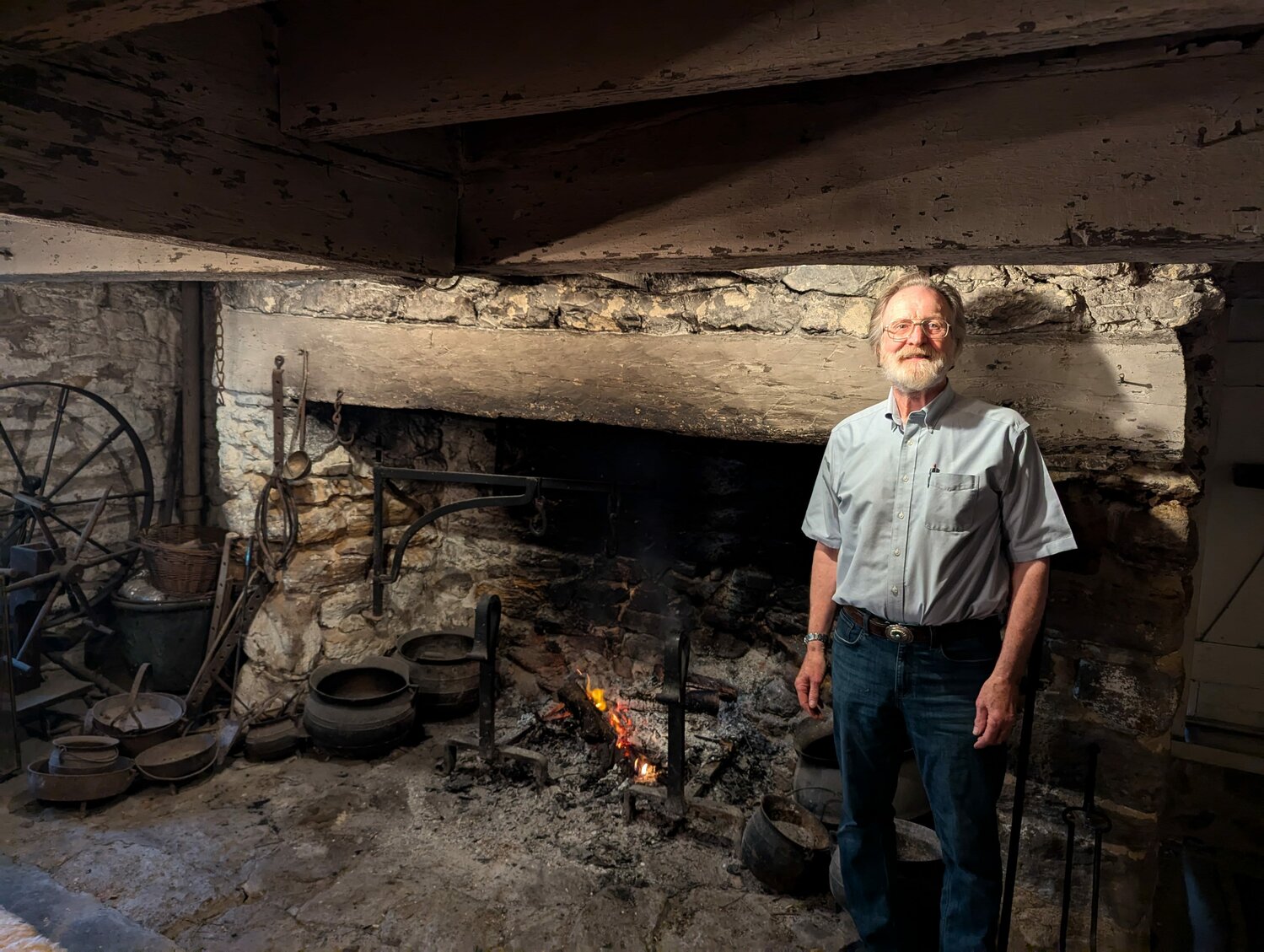
The tavern was in the basement of the house and had its own entrance. It had a large fireplace that was used for cooking as well as keeping the lower level warm for guests.
“When you traveled from Baltimore to Annapolis, you either stayed at the Rising Sun Tavern in Crownsville or took the ferry to Robinson Landing and stayed at the Robinson House,” Hittle said.
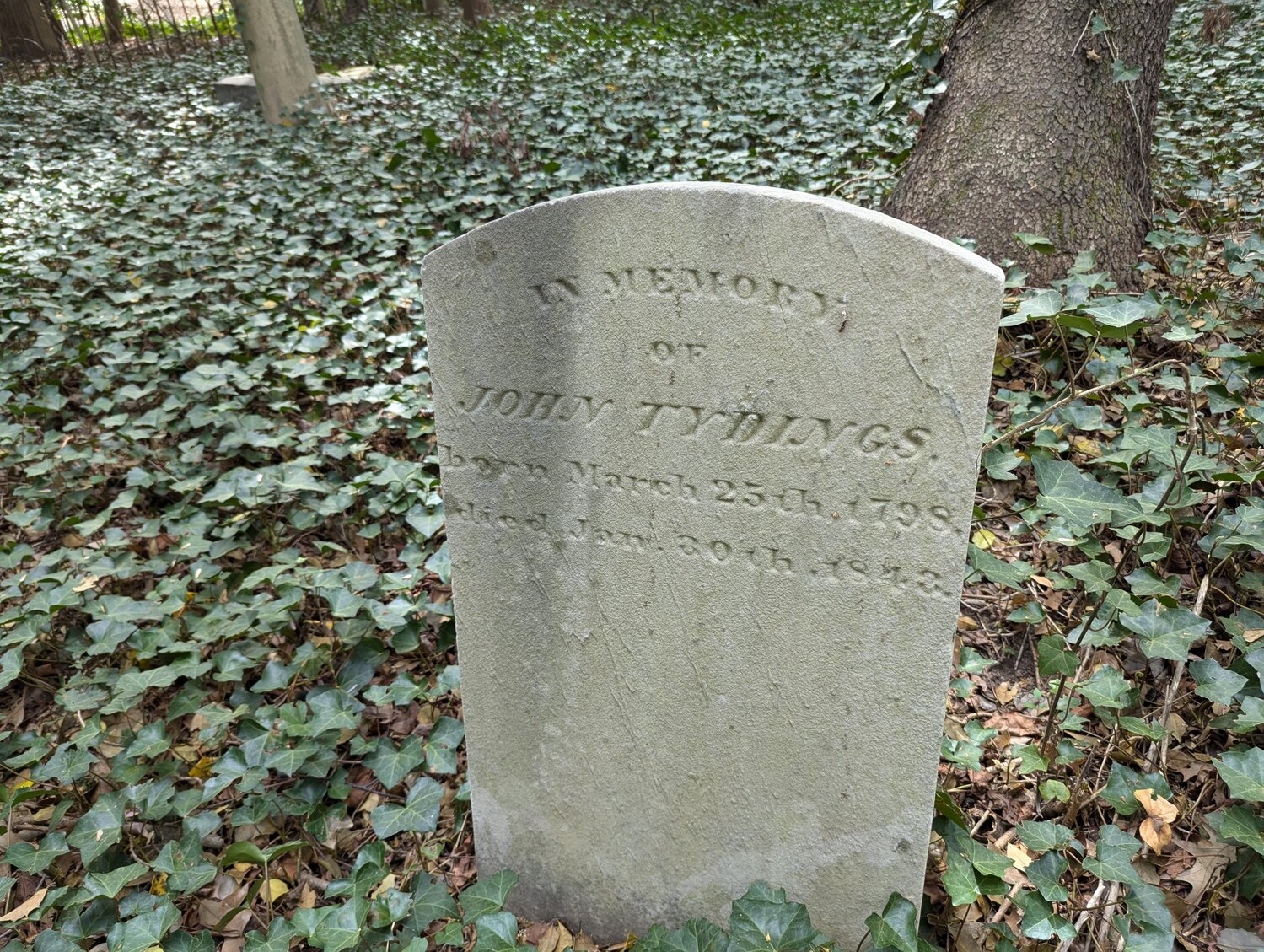
In 1837, the Robinson family sold 500 acres to John Tydings, which began four generations of Tydings living in that house.
During that era, the plantation used slaves to maintain crops and orchards and tend to the large parcel of land.
“I have documents that show there were about 30 slaves on the property,” Hittle said. “I also have documents that the Tydings gave parcels of land to former slaves for their hard work on the plantation.”
In 1888, the Tydings also sold a piece of their property to Thomas Sye and several other men, who later constructed Asbury Town Neck Church.
The Tydings had four generations to occupy the plantation, but the last family member to be there, Laura Tydings Garcelon, sold the property to Wilson Evitt in 1955. Evitt stayed in the house until 1979, but during that time he sold parts of the land to developers who built Berrywood in the late 1960s and 1970s. The house had renters for several years until Evitt sold the house to Hittle in 1991.
Hittle, who was a dentist in the Riviera Beach area, has always had an interest in history, and on a drive to Pasadena from Severna Park, he discovered the house was for sale. He has since renovated parts of the house, but the tavern still has the original layout.
He also invited a crew to do an archaeological excavation that uncovered bits of plates, hardware, glassware tools and other artifacts from past centuries.
“They found a 1780 Connecticut penny and a musket lock from the Civil War during the dig as well,” Hittle said.
History reveals the importance of Cattail Creek for this plantation as it was the main travel artery between Baltimore and Annapolis for selling and trading goods.
“There were really two sides of the creek in that period,” said Magothy River Association President Paul Spadaro. “There was the marshy part of the creek from where Berrywood’s softball field is to Ritchie Highway and then the other side is the main creek that leads to the Magothy River. The plantation was a great geographical spot to send their crops to the large ports.”
The original business of the plantation was a grist mill, but as time went on, other grist and lumber mills were created down Baltimore Annapolis Boulevard.
“By Lake Waterford, there were more grist mills as well as a large sawmill,” Spadaro said. “I’ve heard that the lumber processed in that sawmill was used to build the row homes in Baltimore.”
The plantation now sits on only one acre of land and the last parcel was used to build the Berrywood West community. The graveyard for many of the Robinsons’ and Tydings’ family members is still located there, another poignant reminder of how one part of Severna Park began nearly 340 years ago.


Comments
No comments on this item Please log in to comment by clicking here