



Clear, 73°
Wind: mph,

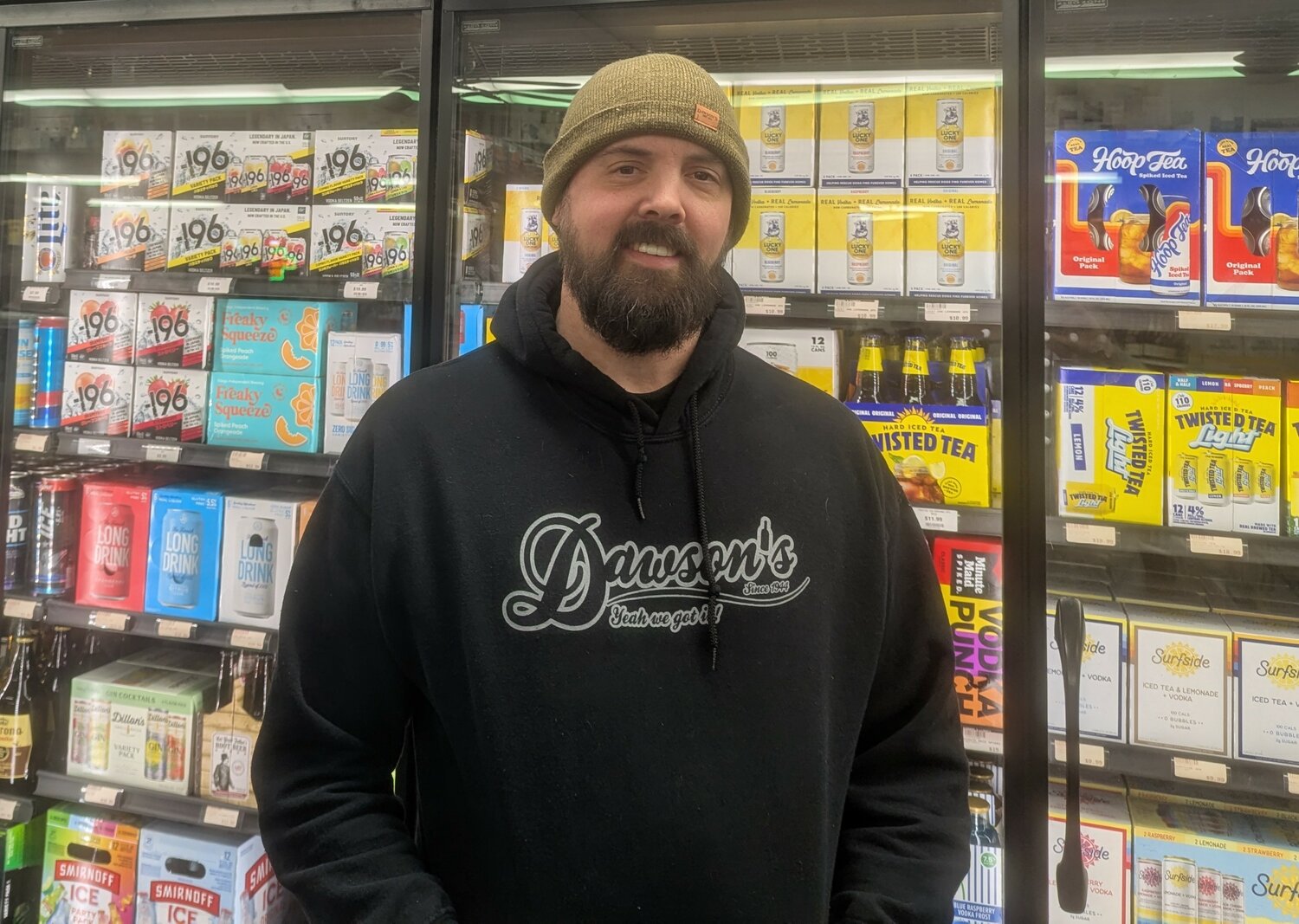


Liquor store owners are lamenting over a notable trend of local residents purchasing less alcohol and younger generations preferring marijuana instead of alcohol.
On July 1, 2023, the state of Maryland enabled residents to purchase marijuana from dispensaries for recreational use. Since then, local liquor store owners have noticed a decline in alcohol sales.
“We are easily down 10% over the last few years,” said Goska’s Liquors owner Kevin Sosnowski. “Wine sales are way down as well as liquors such as whiskey, scotch, vodka and rum.”
Sosnowski attributed the decline in sales to the legalization of marijuana, but he emphasized that the downturn is multifaceted.
“The younger generations buy for the moment,” Sosnowski said. “In the past, customers purchased 30 packs of beer and cases of wine and liquor. The younger generations buy just a six-pack or a few seltzers for a few days or if they’re going to someone’s home.”
In a Gallup study from August 2025, researchers discovered that 62% of young adults between the ages of 21-34 “have occasion to drink alcoholic beverages,” down from 72% of young adults in the early 2000s. The researchers attributed that the main factor of change was using legalized marijuana.
Fishpaws Marketplace General Manager Phil Altherr noticed a reduction in sales shortly after the legalization of marijuana.
“The decrease in sales is across the board,” Altherr said. “We had more in the cutbacks in buying spirits, bottled wines and domestic beer.”
Other Severna Park liquor store owners see opportunities for new products to meet changing purchasing trends.
“What we’ve seen is a huge increase in new products like the ready-to-drink (RTD) products like seltzers as well as craft beer,” said Dawson’s Liquors owner Nick Cipriano.
According to the International Wine and Spirit Record’s (IWSR) global research, RTD purchases have risen 18.9% over the last year while distilled liquors like whiskey, rum, brandy and vodka have decreased. The study also states that people are going out to bars and purchasing liquor less frequently and there are fewer gatherings at homes.
During a Sunday morning in January at Goska’s Liquors when National Football League (NFL) playoff games were scheduled, customer volume was light and Sosnowski stated that fewer people are having watch parties now, and if they have people over, it is bring-your-own-bottle.
The IWSR also wrote that another contributing factor for the reduction in liquor sales is concerns with personal budgets. Due to inflation, people have less discretionary income and are reducing the frequency and/or volume of buying liquor.
During the last few months, federal tariffs have also resulted in price increases, especially for Canadian whiskey, Mexican tequila and European vodka.
“Tariffs have had an effect on sales, no doubt,” Cipriano said. “Unfortunately, we have had to pass along these tariffs to our customers. The tariffs have also affected our ability to gather some products like imported beer.”
The downturn in liquor sales has also affected the national landscape. According to USA Today, several distilleries throughout the United States have closed or claimed bankruptcy. The most noteworthy distillery to halt production is the Jim Beam facility in Clermont, Kentucky, which stopped production in January 2026.


Comments
No comments on this item Please log in to comment by clicking here