



Mostly Clear, 54°
Wind: mph,
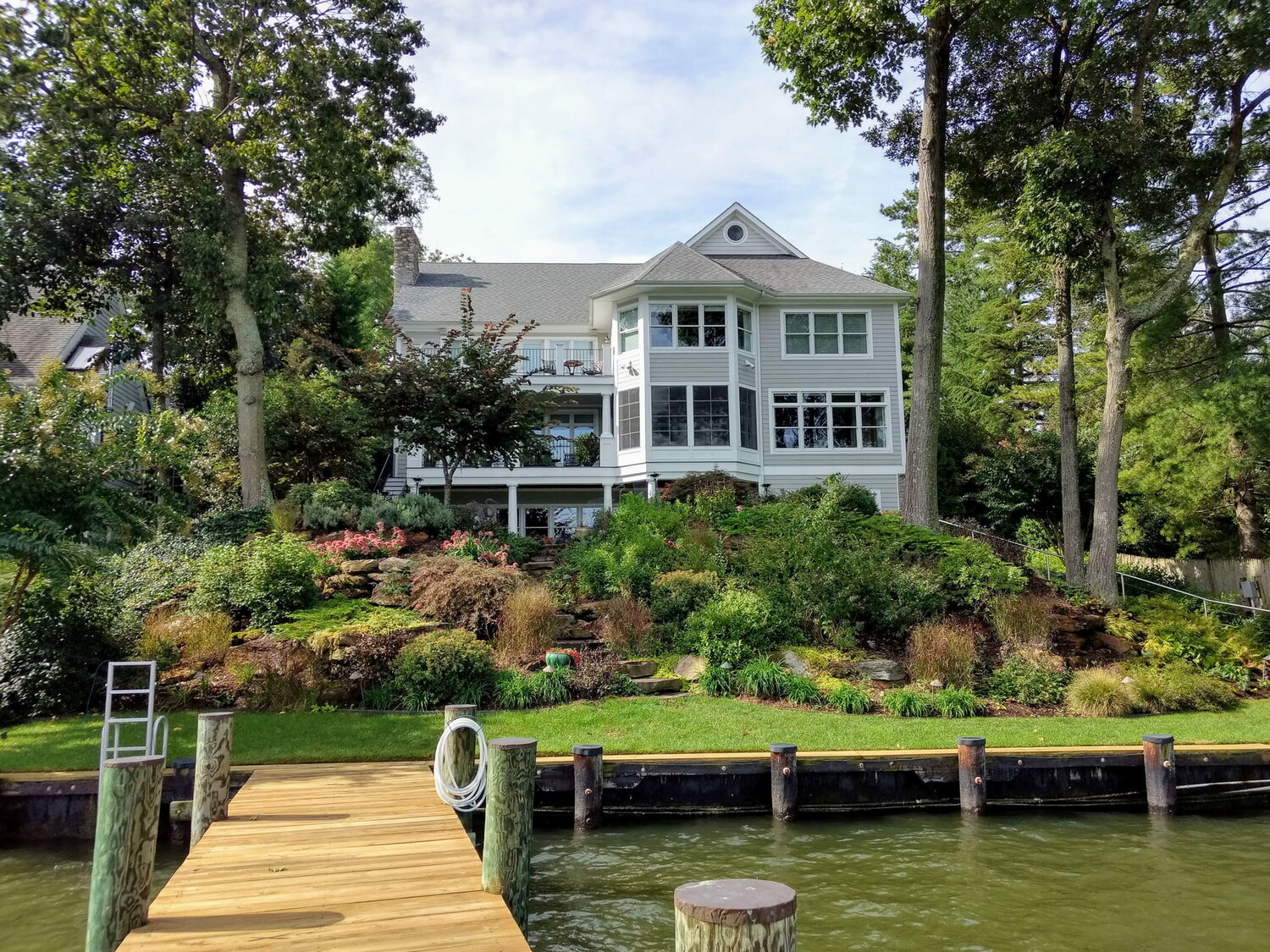
The questions that gardeners across our region are asking have shifted. Homeowners are thinking beyond curb appeal. They want landscapes that function, landscapes that support wildlife and pollinators, landscapes that make sense in our changing world.
Across the country, and increasingly here in Anne Arundel County, four clear design trends are emerging as we move toward a more intentional way of gardening.
Our weather patterns are changing. Summers are hotter. Rainfall is heavier and less predictable. Gardeners are responding by choosing plants adapted to our region and capable of handling these extremes.
Climate-resilient landscapes prioritize deep-rooted species that tolerate drought, humidity and occasional flooding. In Maryland, that often includes native grasses like switchgrass, resilient perennials such as coneflower and black-eyed Susan, and durable shrubs like oakleaf hydrangea and Virginia sweetspire.
Native plants form the ecological foundation of a resilient landscape. They support insects, birds and soil life in ways non-native plants often cannot. At the same time, thoughtfully selected ornamental plants can absolutely have a place. Many ornamentals provide extended bloom, structure or seasonal color that complement native plantings beautifully. The goal is balance. A layered landscape anchored by regionally adapted plants, with ornamentals woven in intentionally, creates both beauty and function.
Resilience begins with putting the right plant in the right place.
Many homeowners ask for “low-maintenance” landscapes. Plants will always require care. But true low maintenance comes from working with natural systems rather than relying on chemical-dependent practices.
Regenerative design focuses on building soil biology, increasing plant diversity, reducing synthetic inputs, and treating the landscape as a living system. Compost, leaf mulch and layered plantings of trees, shrubs, perennials and groundcovers are simple practices with profound impact.
Healthy soil stores carbon, improves drainage, and supports the complex web of organisms that keeps plants thriving. Even modest changes such as shrinking lawn areas, adding more plant diversity, and allowing leaves to decompose naturally begin to repair ecological gaps in our suburban landscapes.
We are seeing a shift away from rigid symmetry and tightly clipped hedges toward landscapes that reflect how nature actually grows.
Rewilding does not mean neglect. It means designing with ecological purpose. Drifts of perennials. Layers of grasses. Bloom sequences that provide nectar and pollen from early spring through fall. Structure for birds. Host plants for caterpillars.
Thoughtfully chosen ornamentals can add long-lasting color and architectural interest within this natural framework.
In a waterfront community like Severna Park, these naturalized plantings also slow runoff and protect the Severn and Magothy rivers and ultimately the Chesapeake Bay. Beauty and ecological function are not separate goals. They can and should work together.
Even small properties can become meaningful contributors. Patios, townhome yards, and foundation beds can be designed with intention.
Vertical gardening, compact native and ornamental cultivars, edible landscaping, and layered pollinator containers transform small spaces into productive, beautiful habitats.
The common thread in all four trends is purpose. Our landscapes can either contribute to ecological decline or help reverse it.
At Homestead Gardens, the team believes gardeners are essential partners in rebuilding habitat one yard at a time. Experts guide plant selection, soil improvement and thoughtful design decisions. They carry the plants and supplies to support your plans. This spring, come by and start a conversation. Together, you can create landscapes that are beautiful, resilient and alive. Learn more at www.homesteadgardens.com.


Comments
No comments on this item Please log in to comment by clicking here