


Clear, 73°
Wind: mph,

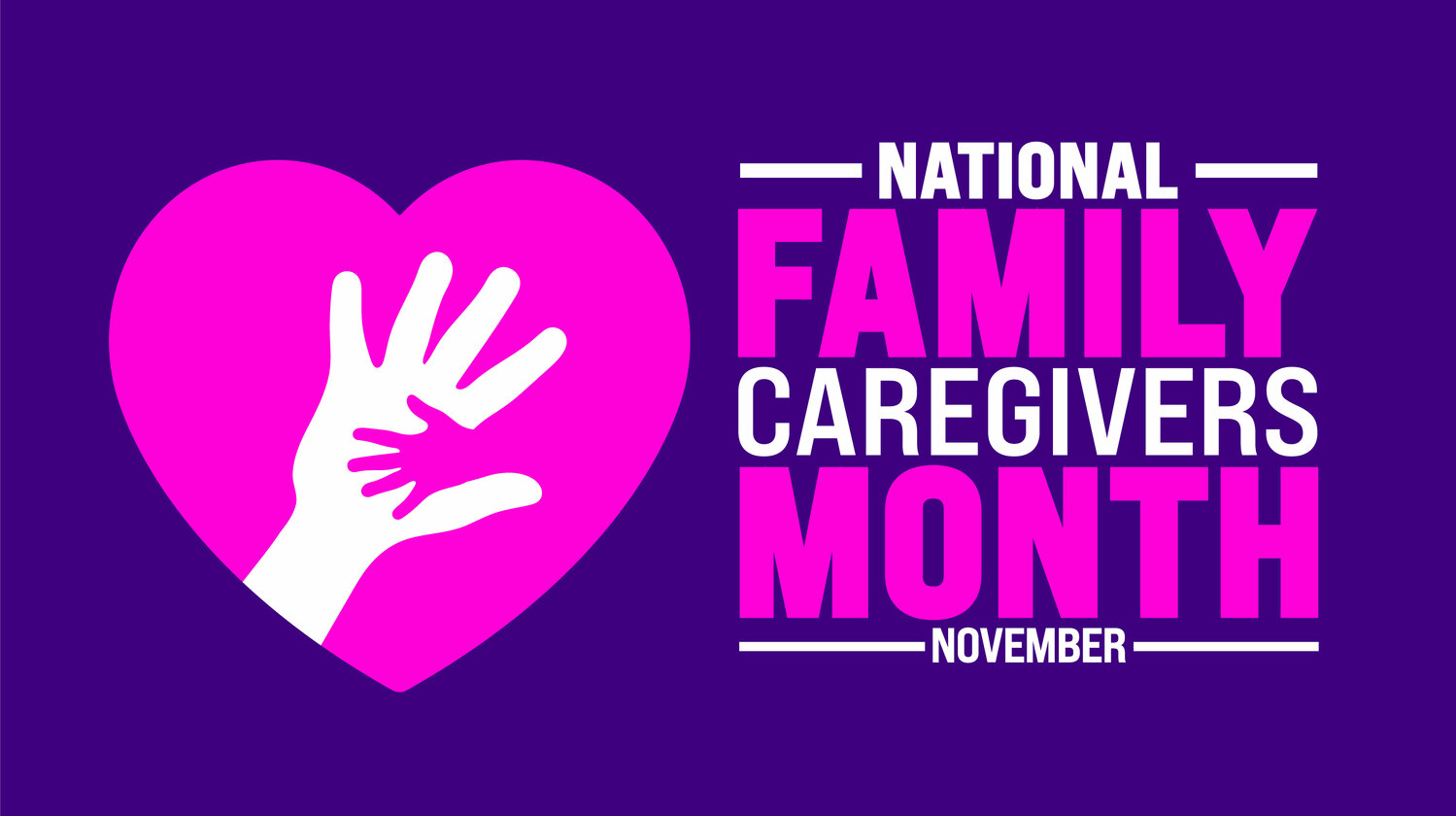
November is National Family Caregivers Month, a time to recognize the love and dedication that go into caring for others. With the holidays approaching, it’s also an ideal time to check in with older friends and family members to ensure they’re feeling well and supported.
According to the latest census, Maryland’s population of older adults is growing faster than most of the country. Many people, including your loved ones, may need extra help managing their health. Here’s how to know when to step in, and how to care for yourself if you become a caregiver.
It can be difficult to tell if your loved one is struggling. Watch for these common signs:
If you take on a caregiver role, be specific about how you can help. Offer to drive loved ones to appointments, cook together on weekends, or plan regular social activities.
You can also strengthen their care by:
Caring for an older loved one can be deeply rewarding but also demanding. To avoid burnout, focus on the four Ms of caregiving:
Finally, don’t hesitate to ask for help. Whether it’s sharing tasks with family or using community resources, seeking support ensures you can care for your loved one — and yourself — in a sustainable way.
Luminis Health is proud to be a national leader in age-friendly care. The Institute for Healthcare Improvement recognized Luminis Health Anne Arundel Medical Center as one of five “age-friendly health system pioneers” nationwide.
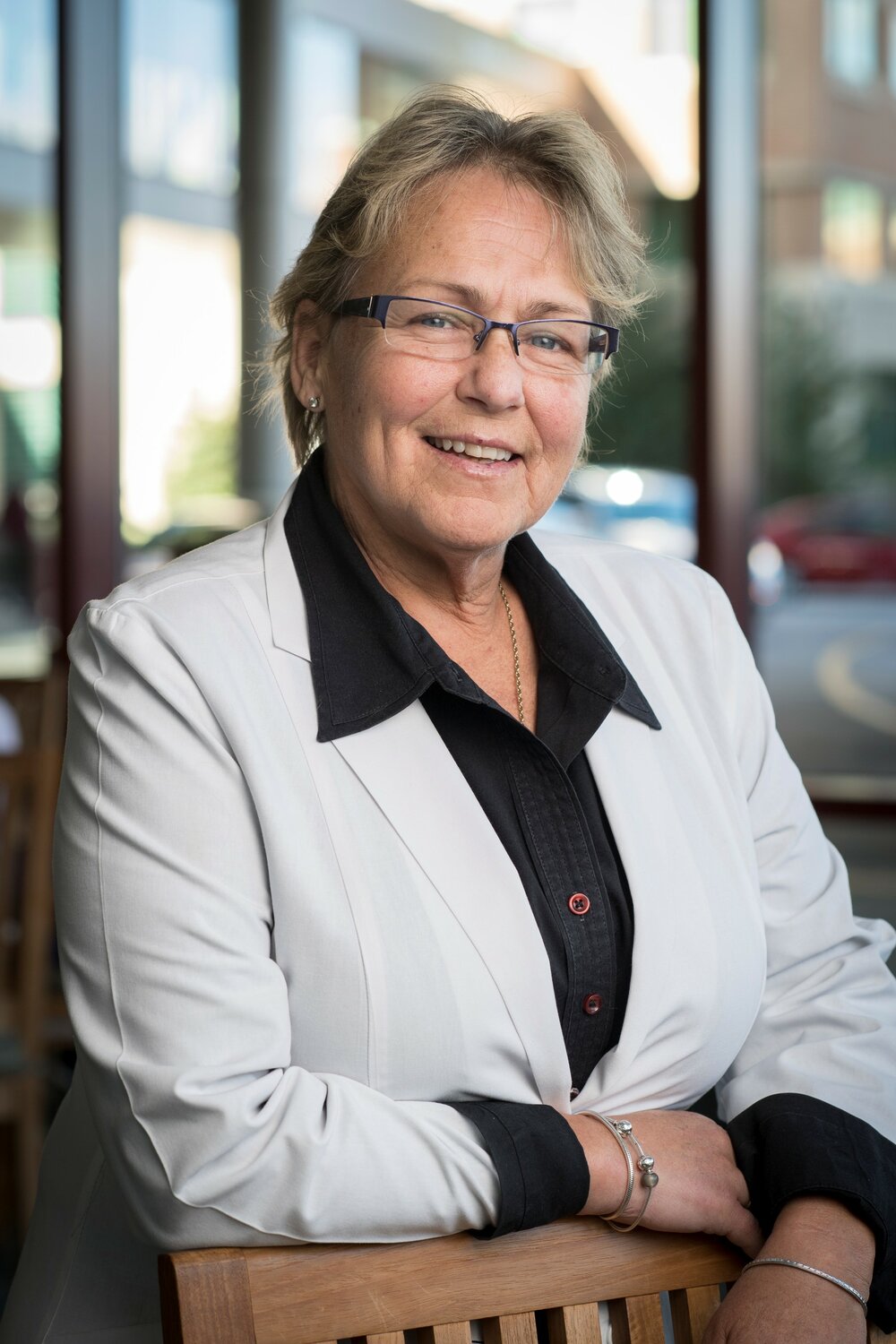
Lillian Banchero is the program coordinator for Luminis Health’s Institute of Healthy Aging.
This branded content is brought to you by an expert in his or her respective field.



Comments
No comments on this item Please log in to comment by clicking here