


Clear, 73°
Wind: mph,
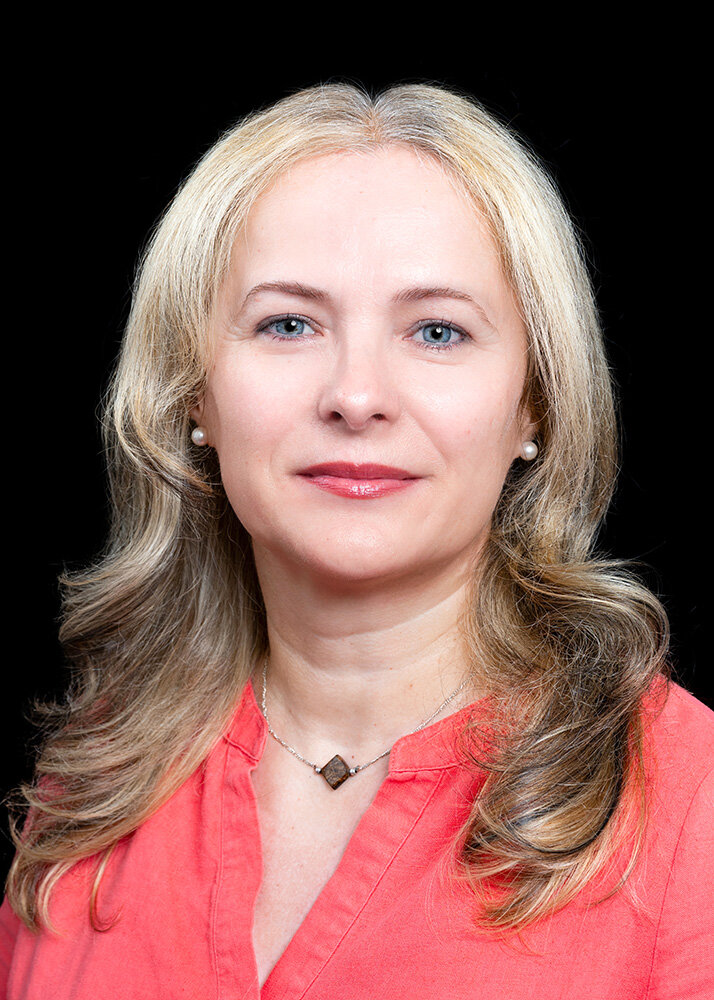
On the day Severn River Middle School Principal Michael McCann announced his school’s 2026 nominee for Anne Arundel County Public Schools (AACPS) Teacher of the Year, he stood before the faculty with a bouquet of flowers in hand and started to describe the qualities of the candidate. As he spoke, Spanish teacher Magdalena Stanulescu looked around the group and tried to put the clues together to guess who he might be referring to, not realizing that she was the one he was describing.
“I honestly couldn’t believe it was me,” Stanulescu recalled. “I work alongside amazing professionals who are deeply dedicated to the profession, their students, and the community, so it was both unbelievable and very humbling to be the one selected.”
Stanulescu has been in education for 27 years, the last 11 in AACPS. Her career began in Romania and then England. In the early 2000s, she taught in North Carolina and Virgina, and in Argentina from 2008—2011. She came to Northeast Middle School in 2015 before settling at Severn River Middle School in 2018. She has taught Latin, Ancient Greek, English as a Second Language, and Spanish, at sixth grade through college levels. Eighth grade has been her favorite.
“At that stage, students are still absorbing the language in a very natural way, but they are also motivated and capable of having more mature conversations,” Stanulescu explained. “It’s that balance that makes teaching them especially rewarding, and it is also gratifying to see them flourish into independent learners.”
Stanulescu cannot remember wanting to be anything other than a teacher. She finds her greatest joy in a classroom when every student is talking with friends in Spanish.
“There is something special about that moment, hearing them use the language together. I also love seeing them take the language further and become independent learners,” Stanulescu said, adding that her students love to tell her when they overheard a Spanish speaker outside of school and could understand what was being said.
“Language is a tool for learning about other cultures. The cultural piece is a huge component of every lesson, and students learn about how people in Spanish-speaking countries live, how they think, what technology they use, the apps they use, and the celebrations they take part in, to use just a few examples,” she explained. “This cultural component helps build cultural bridges. Students also have opportunities to reflect on what is similar and what is different between their own culture and the cultures we explore. We do multiple virtual field trips to different countries, which helps students become more familiar with those cultures, compare them to their own, and develop open-mindedness.”
She shared that learning a language is an enriching experience like no other. In addition to supporting brain development, learning a language builds confidence in students’ own abilities, but mostly, language is a window into the world.
“In the global society we live in, knowing another language is becoming essential,” Stanulescu stated. “Language is not only about mastering the language; it’s about how it changes students’ perspectives on the world and the other cultures they come into contact with.”
Stanulescu’s approach to teaching is to be a facilitator, with students speaking in Spanish more often than she does, and aiming for 90% of the lesson to be conducted in Spanish. Her focus is interaction over teacher-centered instruction, and students learning not just language but also culture.
“I try to pass on to students my passion for languages, as well as for traveling and exploring other cultures and getting to know people from all over the world. I also like to help students reflect on language itself, how languages evolve, how they differ, and how the same language can vary from country to country,” Stanulescu said. “I want them to see the variety and beauty of culture, and how the evolution of a language also preserves traces of how a culture and country has developed over time. We often talk about dialectal differences, how Spanish evolved from Latin, and how language continues to change today, especially through social media and technology. I try to help students see language not just as a tool for communication, but as something much broader and more dynamic.”


Comments
No comments on this item Please log in to comment by clicking here