


Clear, 78°
Wind: mph,
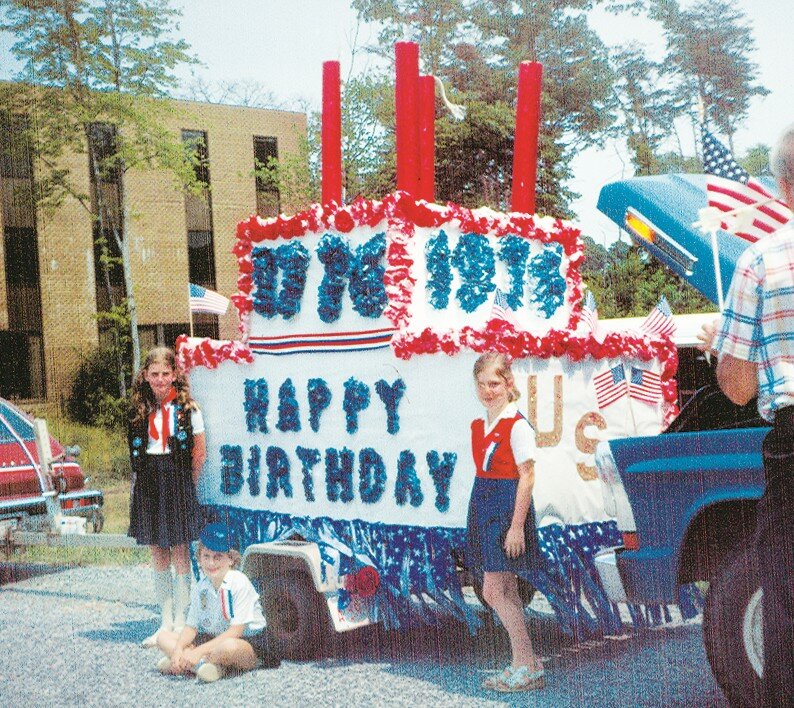
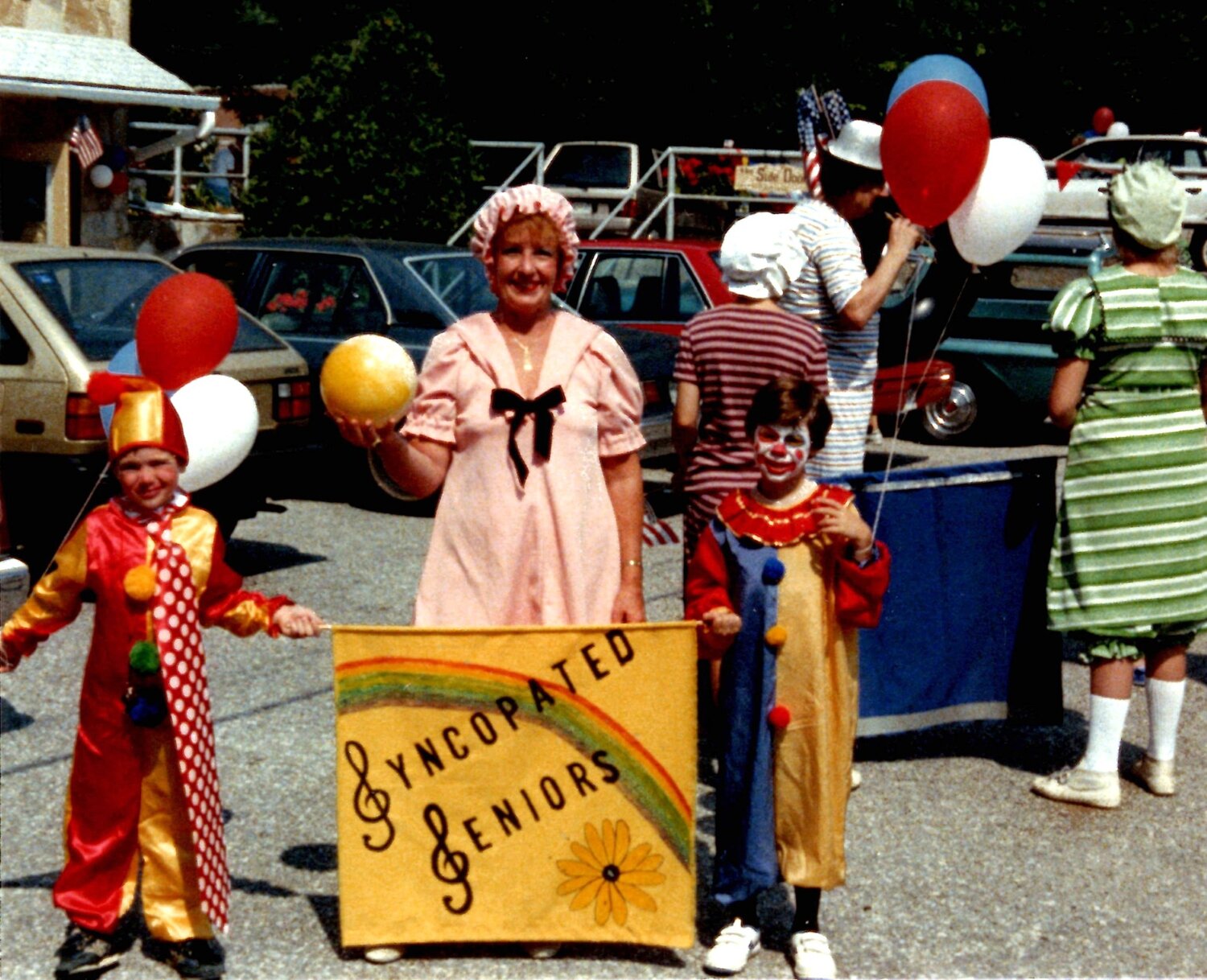
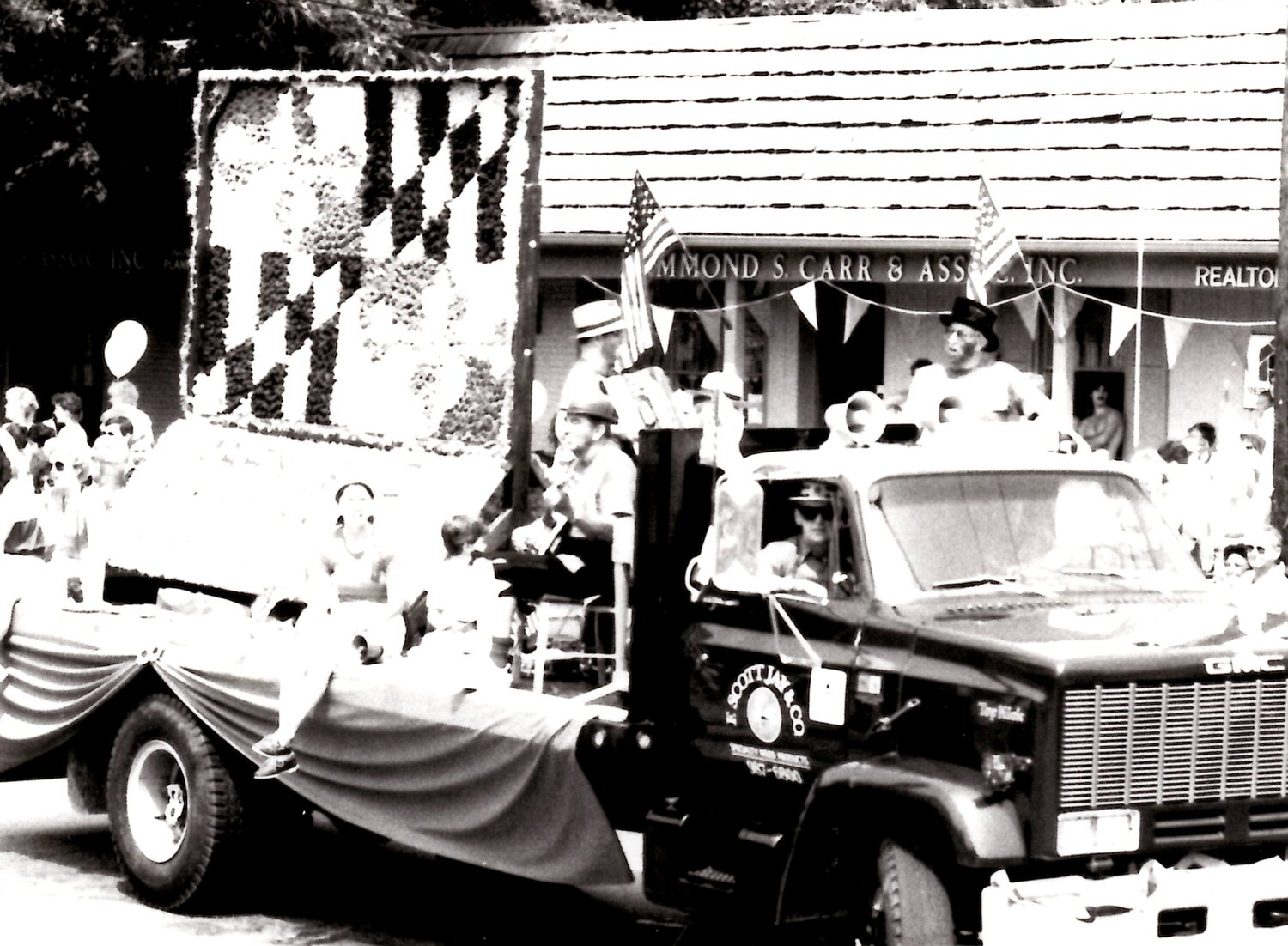
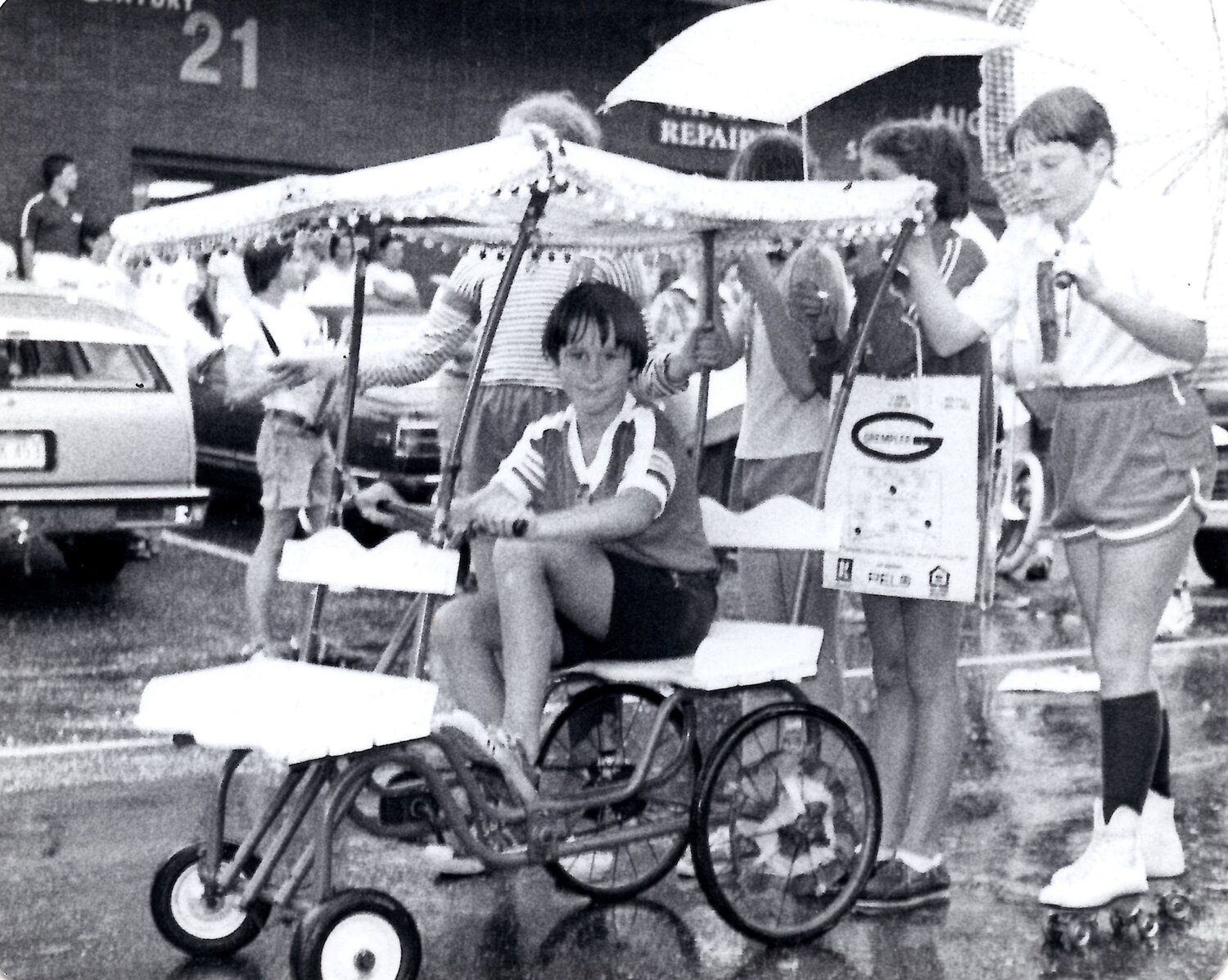
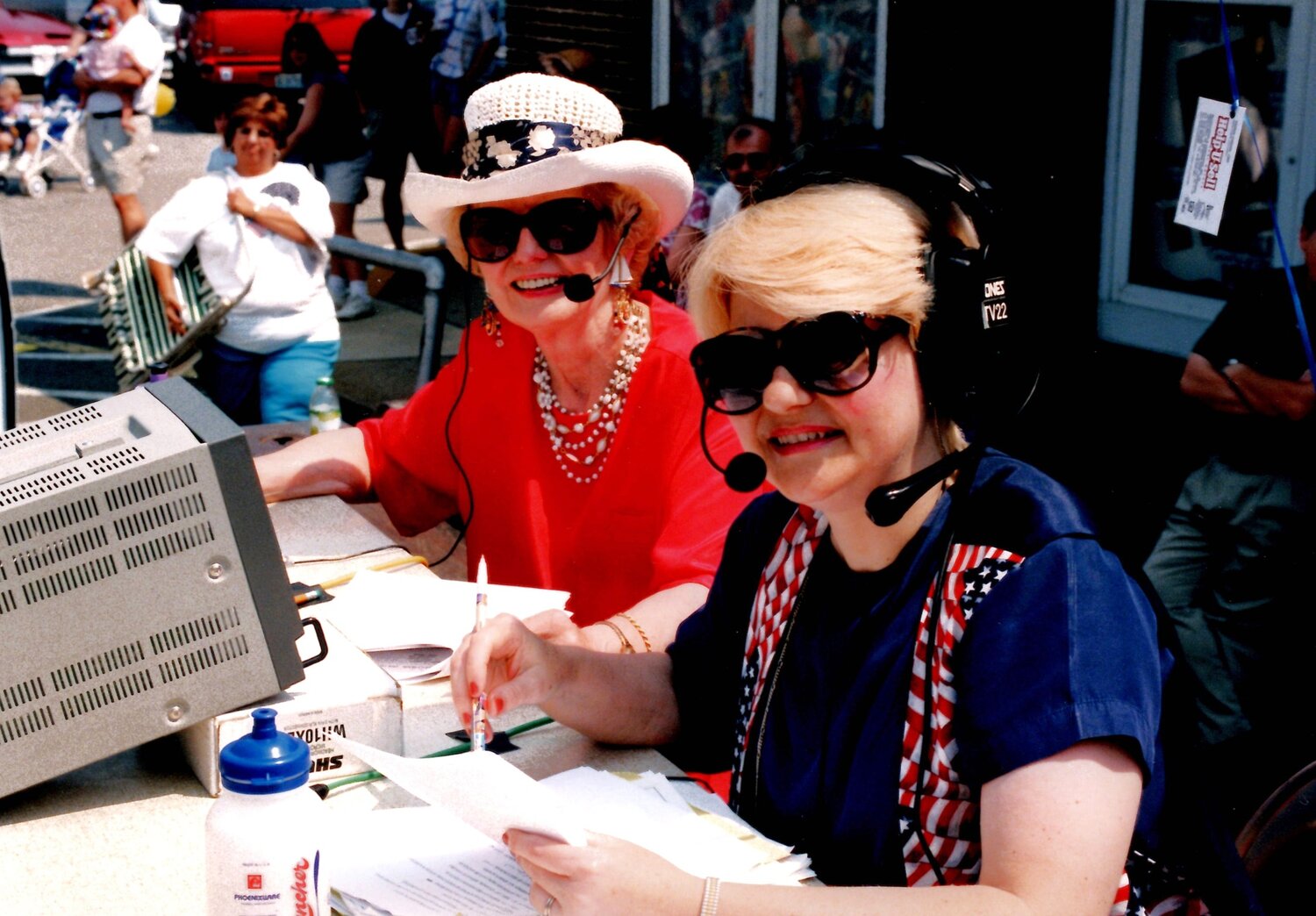
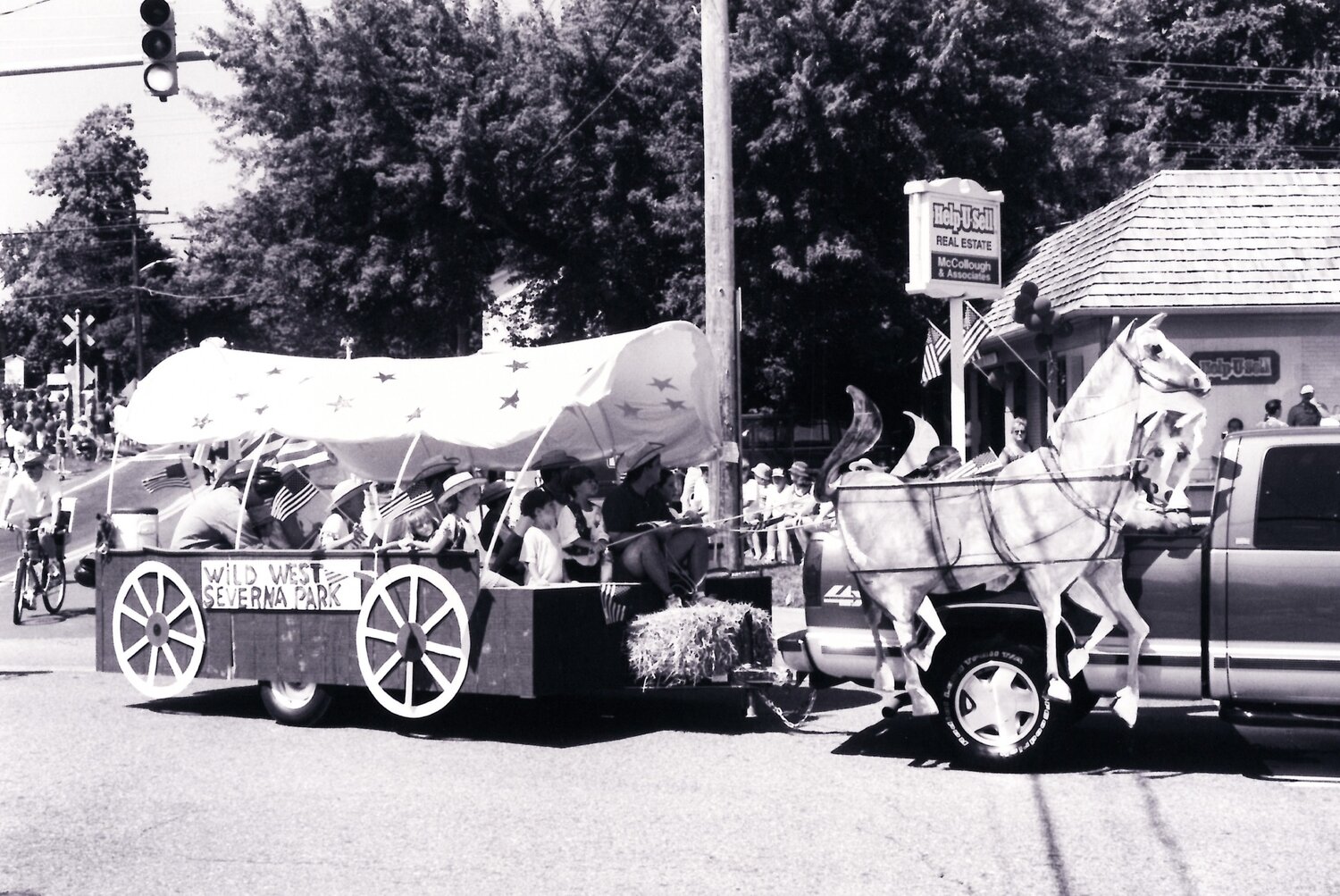
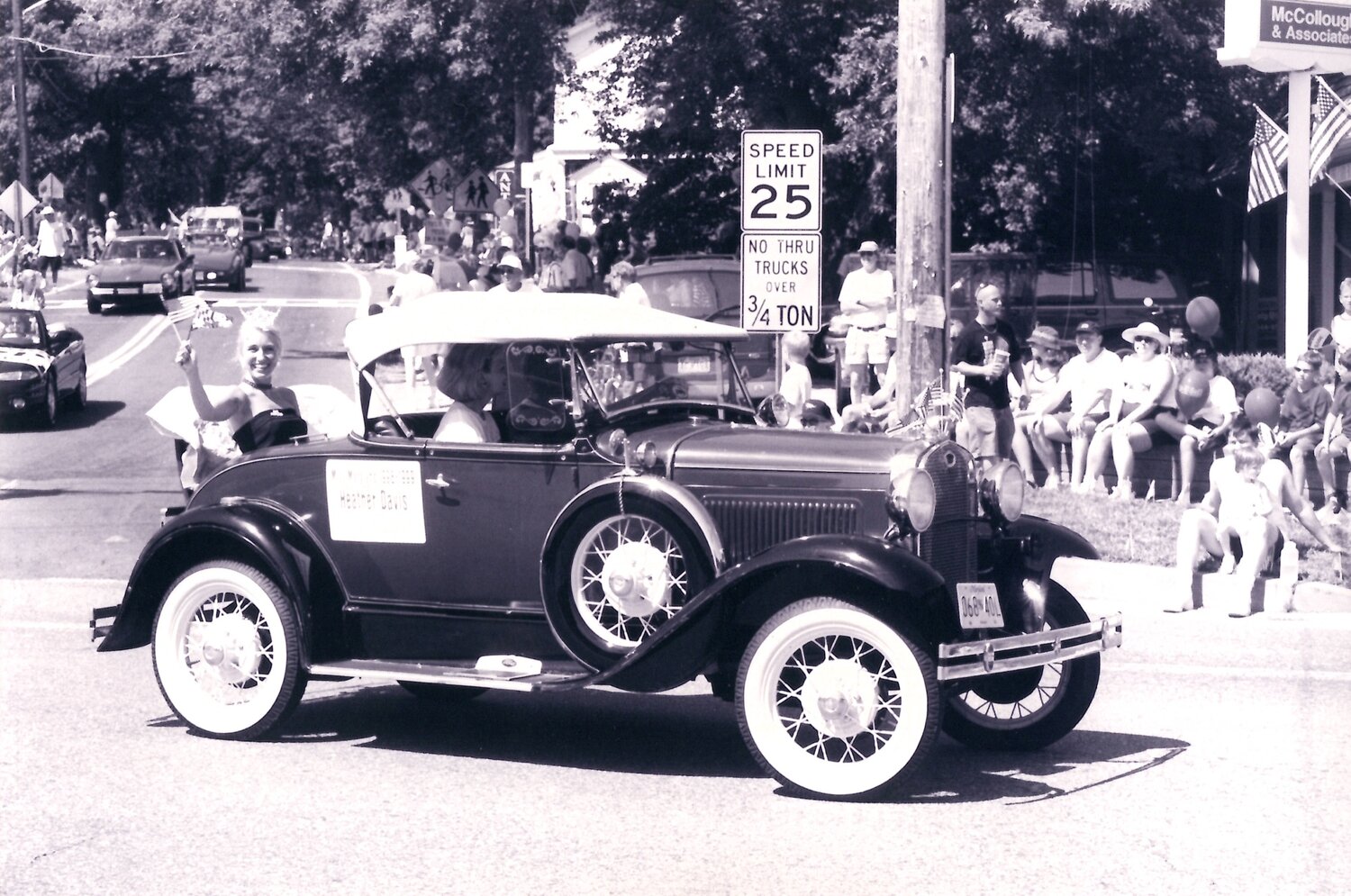
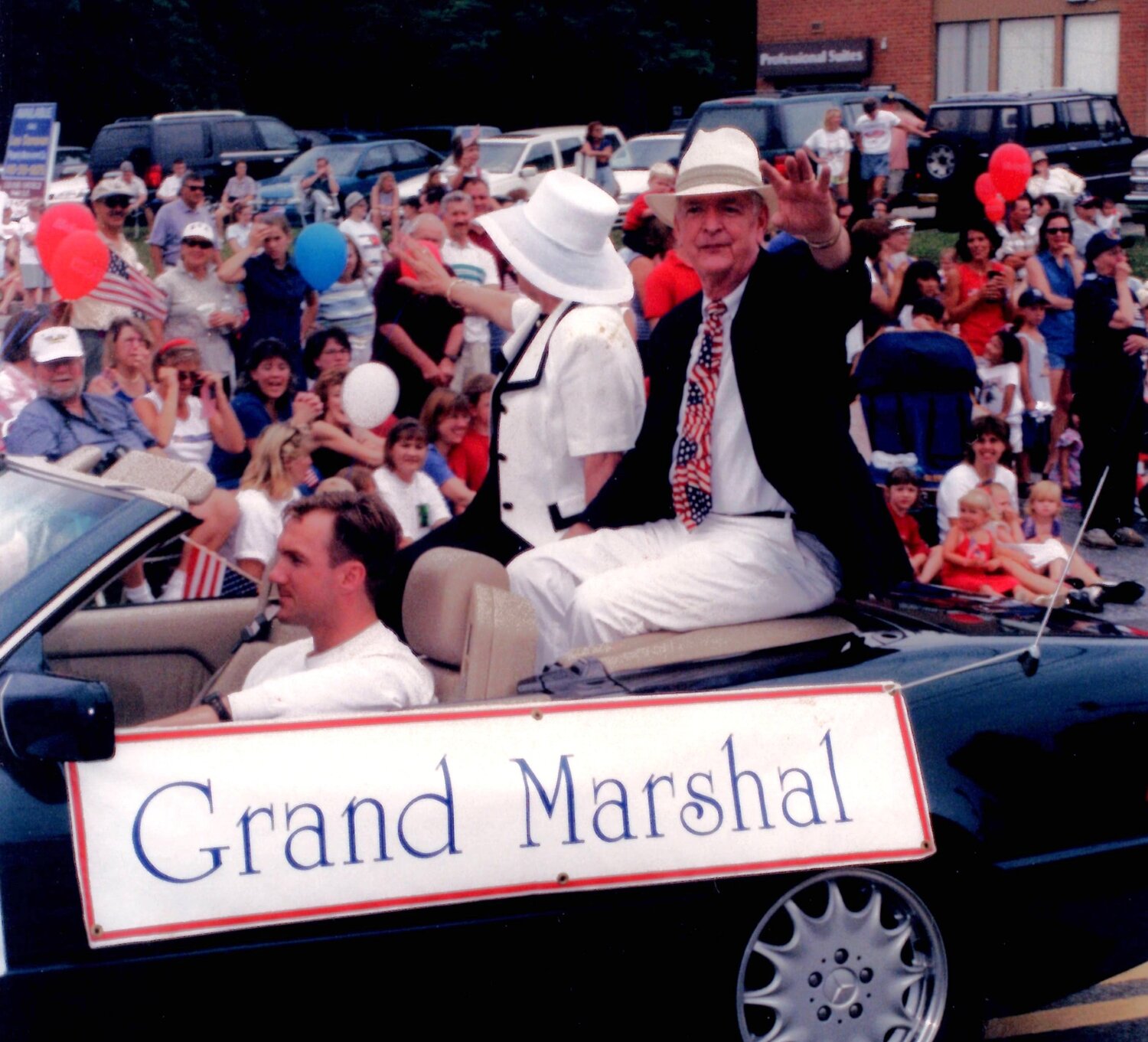
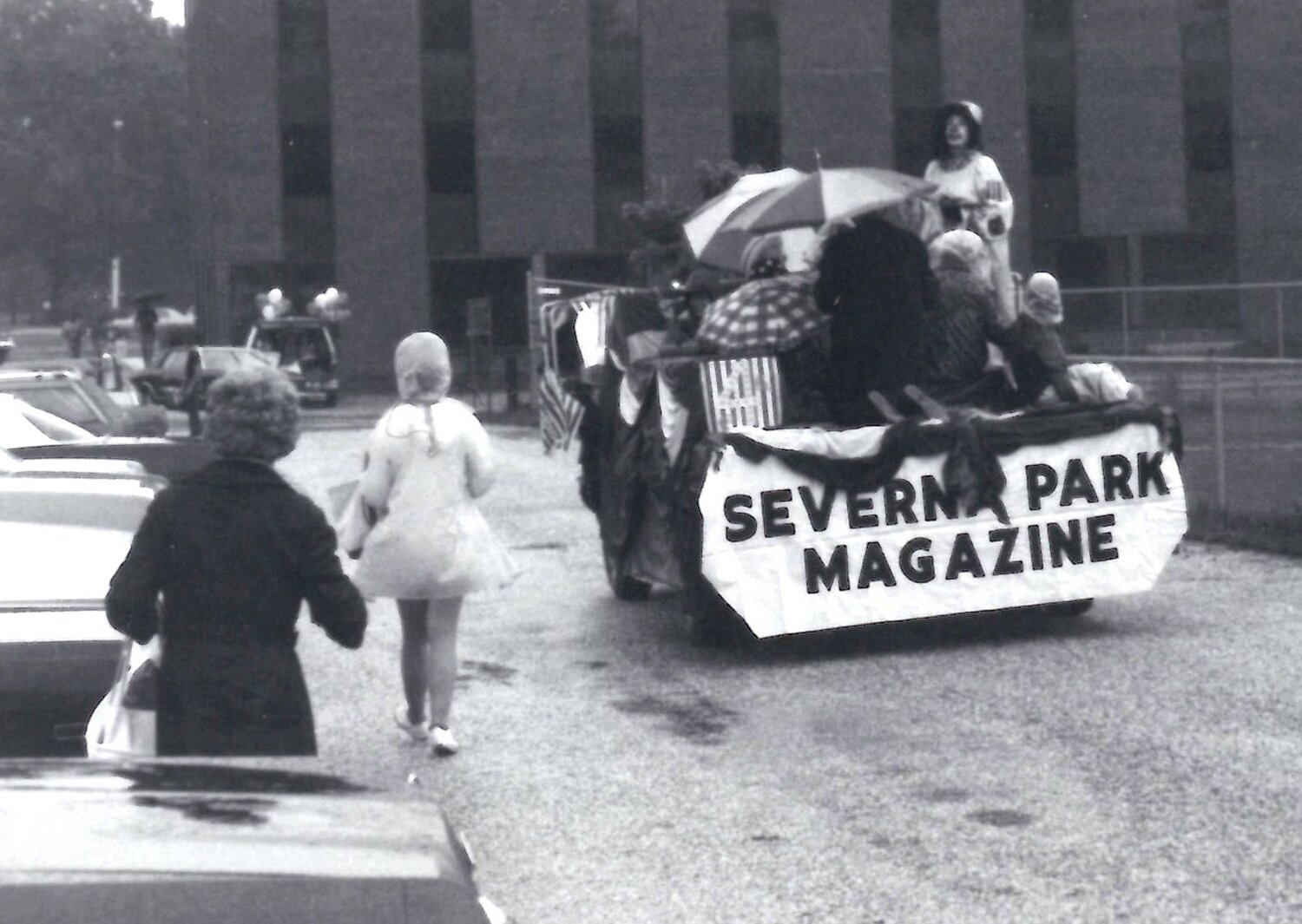
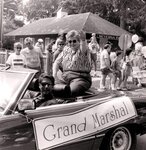
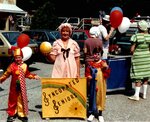
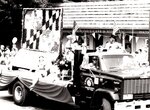
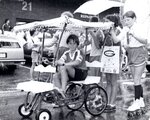
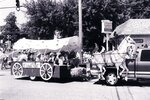
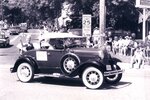
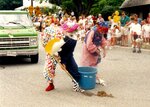
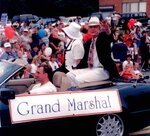
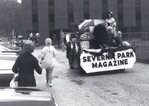
Calling the first Severna Park Fourth of July parade a parade at all might be a stretch. That 1975 parade served as a dry run of sorts for the 1976 parade, which honored the 200th anniversary of the United States. Cliff Dawson, owner of Dawson’s General Store, served as the first grand marshal.
Peg Nelson, Sue and John Norris, Margueritte Mills, Skip Carr and Lou Heck have all been credited for their roles in bringing the parade to fruition.
“The first year we started it, it rained, and in those days the only thing we had to decorate with was crêpe paper. Well, crêpe paper, when it gets wet, gets pretty sad,” parade committee member Sue Norris told the Voice prior to her death in 2014. “So basically, the first year was not much of anything. We had a few floats, and there were a few people walking, but it was messy.”
That humble beginning is almost inconceivable 50 years later. Crowds pack Benfield Boulevard to Cypress Creek Road with lawn chairs and blankets to watch members of more than 100 organizations walk, bike or ride in floats. The event grew quickly, drawing more than 1,000 spectators by 1978.
But some things have stayed the same since the first parade in 1975. The Greater Severna Park and Arnold Chamber of Commerce still sponsors the event. The decorated bike contest has existed since the parade’s inception, vintage cars were quickly added to the lineup, and the Severna Park High School marching band is a staple musical lineup.
Over time, the parade route has shifted. With Benfield Road under construction, parade entries originally departed from Severna Park Middle School. The procession now starts on Benfield Road and winds down Evergreen, but for many years, the parade ended at the Park Plaza shopping center, before switching to an earlier stopping point on Baltimore Annapolis Boulevard.
This Independence Day tradition also used to include post-parade family activities, first at Park Plaza and in later years at Cypress Creek Park. Art Ebersberger, former president of the Severna Park Jaycees, recalled 1975’s post-parade party consisted of a softball tournament between the communities of Severna Park. Organized by Ebersberger, the tournament evolved into a festival a few years later when nearly all of the town’s 50 neighborhoods hoped to join the competition and it outgrew its allotted time and space.
Sponsored by the Jaycees, the festival was instituted in 1977, and included speeches, entertainment, food and games. Over the years, it moved from Cypress Creek to Park Plaza back to the park, and included ice cream eating contests, balloon rides and more.
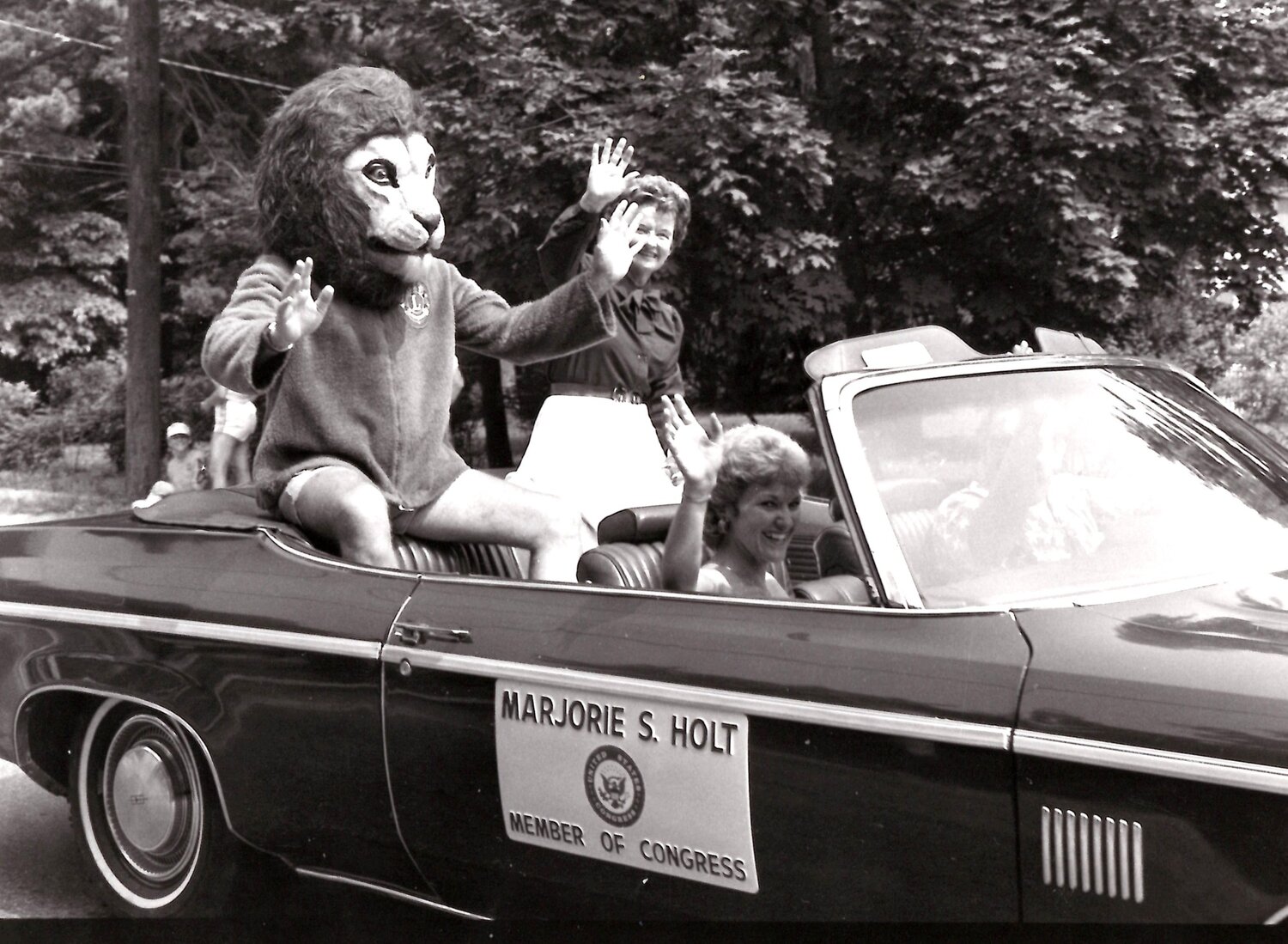
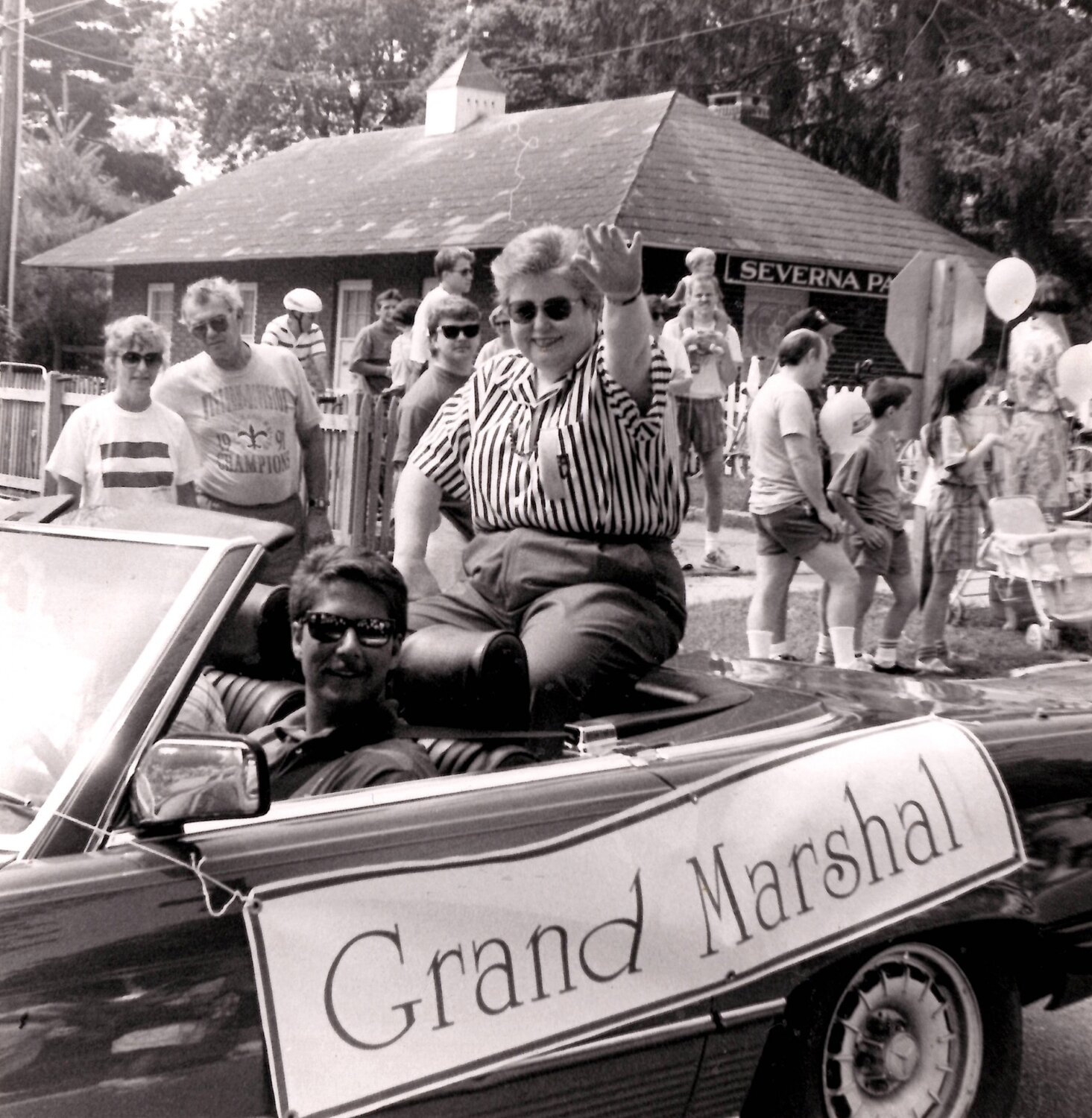
For five decades, the parade has celebrated the contributions of many area residents by having them ride in the parade as grand marshals. Norris was the grand marshal in 2014 for the second time; she was co-marshal with her husband, John, in 1987. Congresswoman Marjorie Holt, jewelry store owner George Mercado, Severna Park High School athletic director and coach Andy Borland, dance teacher Mary Carter and real estate agent Hammond “Skip” Carr were all bestowed with the honor, as was Mills, the founder and first publisher of the Severna Park Voice, who served as the grand marshal in 1985.
In 2017, the Greater Severna Park and Arnold Chamber of Commerce selected Betty Winkelmeyer Wells to be the grand marshal. As the daughter of Walter Winkelmeyer, the chamber’s founding president, Betty knew the importance of small businesses and the community sharing mutual support.
“We didn’t see a lot of flags flying (in the beginning),” she said of the parade’s early years. “The enthusiasm of everyone at the parade is so on target. It’s getting bigger and better.”
Linda Zahn has seen that growth firsthand. She planned nearly 30 parades as CEO of the Greater Severna Park and Arnold Chamber of Commerce from 1990 to early 2018. In her first year organizing the parade in 1990, she wore the Falcon costume and marched with the Severna Park High School band.
“It was my first parade, and I’ll never forget it,” she previously told the Voice. “I thought there should be a mascot for the high school, but nobody would wear the costume.”
Zahn donned the head-to-foot Falcon costume herself.
“I was barefoot because I thought I would be riding on a fire truck, but the fire truck couldn’t carry anyone who isn’t authorized personnel,” said Zahn, who walked the two-mile parade route in her bare feet while enduring the July heat.
As Zahn and other longtime observers can attest, current events also influenced the parade. In the wake of Operation Desert Storm in 1991, parades across Maryland honored veterans returning from the Gulf War, including Army Specialist Ann Lopez who rode in a tank during the Severna Park parade. Election years were no exception, with many candidates marching in the parade.
Severna Park saw record attendance in 1995 when the Annapolis Fourth of July parade was canceled because of road construction on its normal route. Spectators spilled into nearby communities for weekend festivities and that same year Jones Intercable started airing the parade on television.
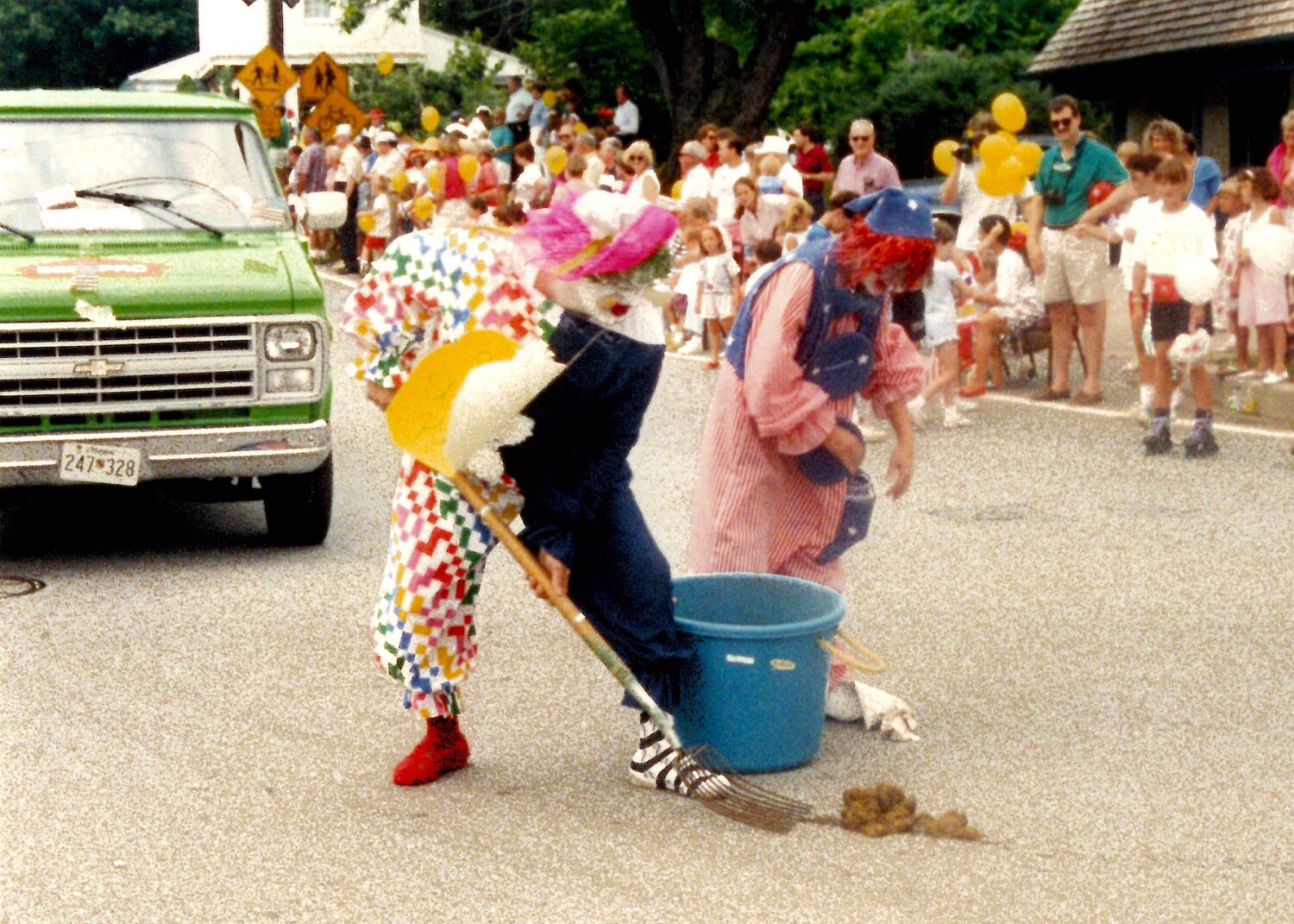
The parade hit a milestone of 100 entries in 1998. Sports teams, charities, youth groups, churches, schools, local businesses, equestrian riders and even clowns would walk the parade.
The 2002 parade marked the first Independence Day after 9/11. The parade’s theme, “United We Stand,” was chosen to honor both the people who died that day and the several Severna Park natives who traveled to New York City in the aftermath to help with recovery.
Philanthropy became a large part of the parade in 2003 when SPAN started its staple food drive. Volunteers pushed shopping carts down the road, collecting non-perishable food during the parade to help subsidize the busy summer season when families in need couldn’t rely on school meals. The plan was a rousing success, and SPAN has continued its parade food drive to this day.
Despite the heat, Severna Park’s centennial celebration in 2006 had the largest participation yet with over 140 parade entries. Lou Heck, who helped start the 1975 parade, brought his “American Eagle” float from 1990 back to life. Children sold snow cones for $1 apiece on the parade line while veterans rode in convertibles.
The 2020 COVID-19 pandemic forced the chamber of commerce to cancel the parade, something even bad weather had never accomplished. But community pride could not be extinguished, and several neighborhoods held smaller gatherings to replicate the patriotism and camaraderie of the larger event. The hiatus also stoked the flames for the 2021 parade, for which more than 100 organizations and groups signed up.
The parade has come quite a way from one decorated pick-up truck and a few soggy floats.


Comments
No comments on this item Please log in to comment by clicking here